 06 September 2026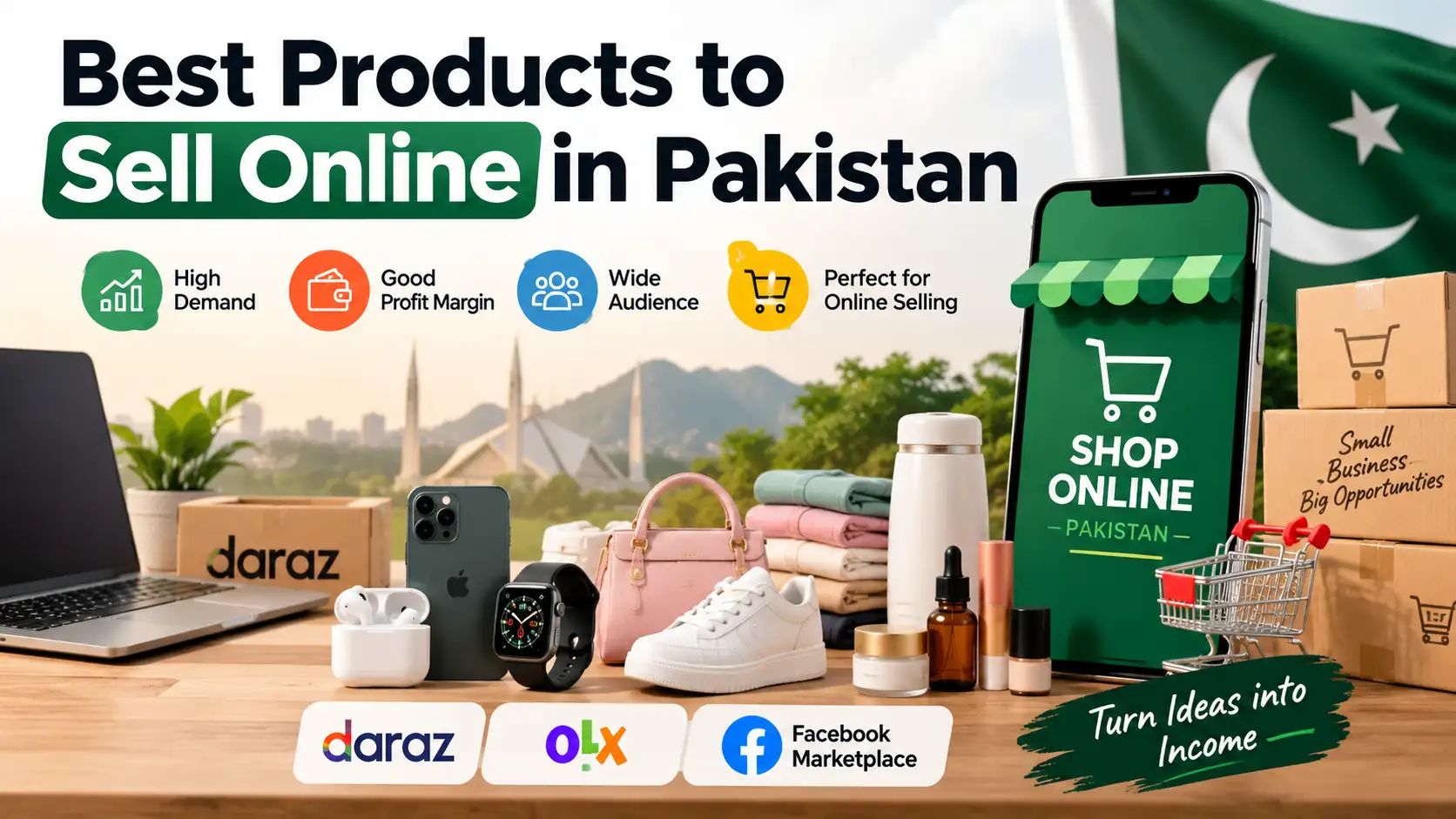
If you've already decided you want to start selling online in Pakistan, the next question is usually the hardest one: what should you actually sell? Pick the wrong product and you'll spend months fighting for attention. Pick the right one and even a small, simple store can start generating steady orders within weeks.
This guide breaks down the product categories that are genuinely working right now for online sellers in Pakistan not just trendy items that sound good on paper, but products with real, repeat demand. We'll also cover how to tell a passing trend from a product worth building a business around.
What Makes a Product Good to Sell Online in Pakistan
Before jumping into the list, it helps to know what separates a solid product from a risky one:
- It solves a clear problem or desire. Products that are purely "nice to have" are harder to sell than ones people actively search for.
- It's easy to ship without breaking. Fragile or oversized items increase your return rate and cut into your margins.
- It has healthy margins. Anything under roughly 30 – 40% margin gets eaten up quickly by ads, courier fees, and returns.
- People buy it more than once. Repeat-purchase products (skincare, accessories, baby items) build a more stable business than one time purchases.
- You can actually source it reliably. A trending product with an unreliable supplier will hurt your reputation fast.
With that in mind, here are the product categories worth your attention.
1. Mobile Accessories and Electronics
Phone cases, chargers, earphones, power banks, and smartwatches are some of the most consistently ordered items on Daraz and similar platforms. Almost everyone in Pakistan owns a smartphone, and accessories wear out or get replaced often, which means repeat demand.
This category is competitive, so success usually comes down to fast delivery, clear product photos, and reasonable pricing rather than finding some secret unique product. It's a great starting category if you want predictable demand while you learn the basics of running an online store.

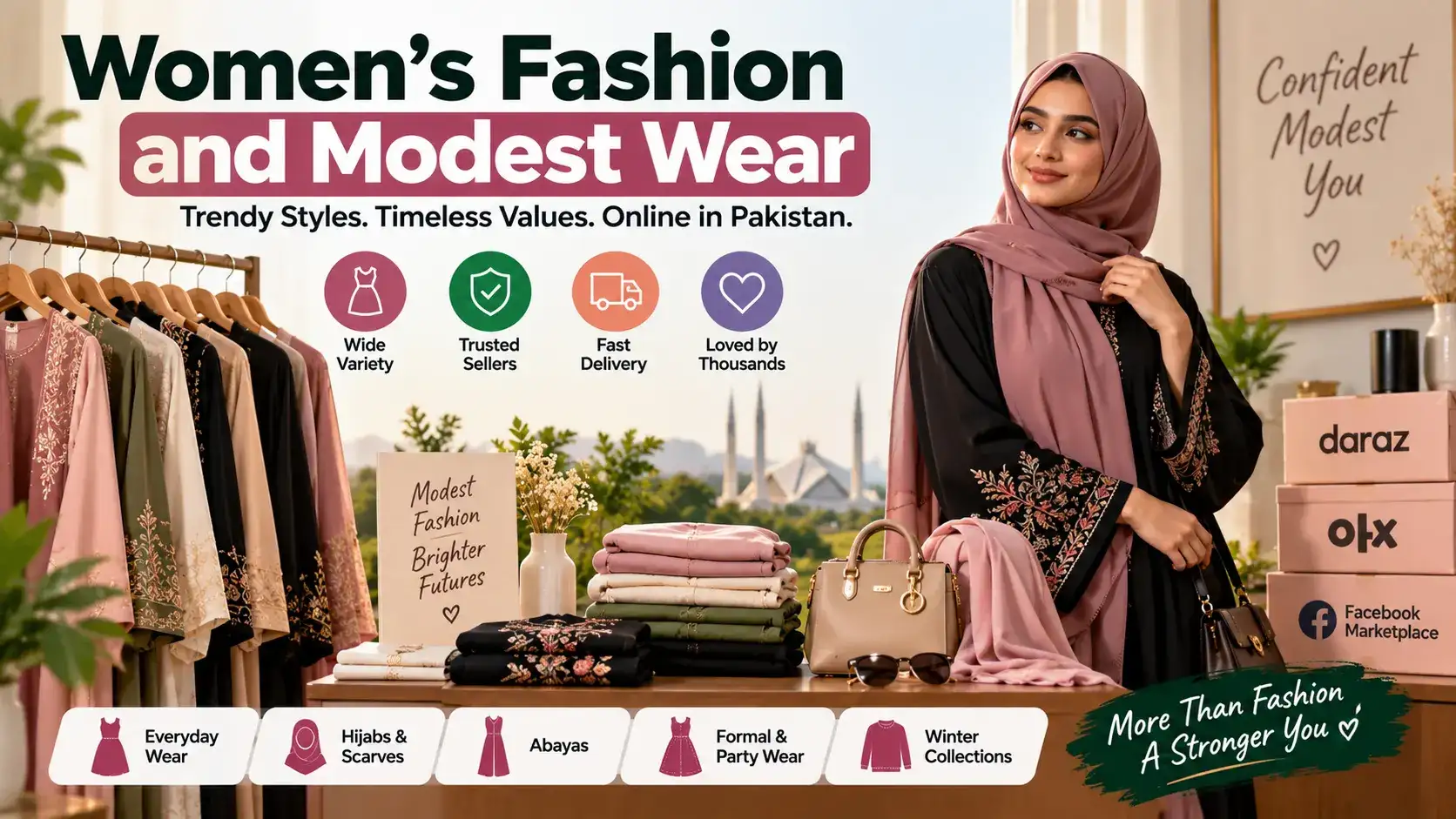
2. Women's Fashion and Modest Wear
Clothing remains one of the biggest online categories in Pakistan, and modest fashion hijabs, abayas, and covered but trend forward outfits has a particularly strong, loyal audience. Buyers in this space often care as much about trust and consistent sizing as they do about the design itself, so clear photos and honest fabric descriptions go a long way.
Seasonal collections ( Eid, wedding season, winter wear ) tend to bring predictable spikes in demand, which makes this category useful for planning your inventory and marketing calendar in advance.
3. Skincare and Beauty Products
Skincare has grown into one of the fastest moving categories in Pakistani ecommerce, especially among younger, urban buyers who research ingredients before purchasing. Serums, sunscreen, lip care, and basic routine products all sell consistently, and because skincare is a repeat purchase category, a happy customer often becomes a recurring one.
If you want to go further than reselling, private labeling basic skincare items putting your own brand on a manufacturer's formula is increasingly common among Pakistani sellers looking to build something more defensible than a simple resale page.
4. Jewelry and Accessories
Artificial and semi precious jewelry does especially well around Eid and wedding season, when demand can jump significantly. It's lightweight, easy to ship, and doesn't require cold storage or special handling, which makes it a low hassle category for new sellers.
Because jewelry is highly visual, this is a category where good photography and short videos matter more than a long product description.
5. Baby and Kids' Products
Parents are some of the most loyal, repeat customers you can find online. Baby clothing, feeding accessories, soft toys, and educational items all sell steadily, and Pakistani mothers increasingly turn to online sellers because local markets often have limited selection for younger kids. This category also tends to grow through referrals happy parents talk to other parents.
6. Home Decor and Small Kitchen Items
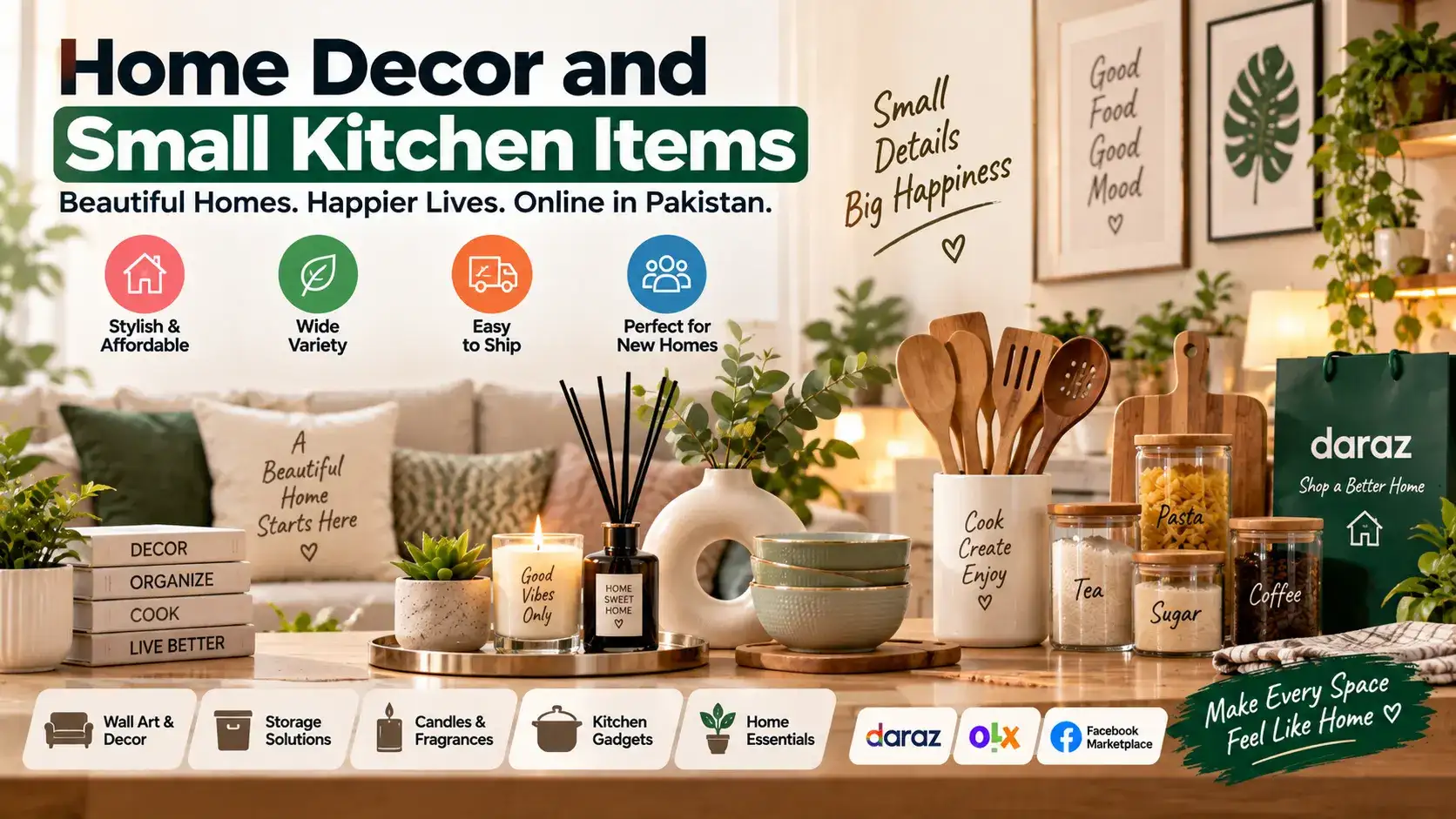
As more young couples set up new homes, affordable home decor wall art, storage solutions, candles, and small kitchen gadgets has become a steady online category. These products photograph well, ship easily, and appeal to a broad audience, which makes them a solid addition to almost any store, even as a secondary product line.
7. Fitness and Wellness Products
Interest in health and fitness has been rising steadily in Pakistan, and with it, demand for items like resistance bands, yoga mats, protein powder, and basic gym accessories. This category benefits from short, simple demonstration videos showing the product in use, since buyers often want to see how something works before ordering.
8. Handmade and Artisan Products
Pakistan has a strong tradition of embroidery, pottery, and handcrafted goods, and there's real demand for authentic handmade products both locally and from overseas Pakistanis who want to support home-grown craftsmanship. These products often carry stronger margins than mass manufactured goods because buyers are paying for the craftsmanship itself, not just the raw materials.
9. Stationery and Printable Products
Notebooks, planners, printable fabric, and study accessories have quietly become a strong seller among students and young professionals, especially around the start of the academic year. This category also works well alongside digital products, since printable planners or study guides can be sold as a low cost add on to a physical order.
10. Seasonal and Festival Items
Products tied to Eid, weddings, Ramadan, and winter ( like decorations, gift sets, or festive clothing ) see sharp, predictable demand spikes at specific times of year. If you plan your inventory a few weeks ahead of these seasons, you can capture a wave of buyers who are actively shopping and ready to spend.
How to Spot a Real Trend vs. a Short Lived Fad
Not every "trending product" is worth building a business around. A few simple checks can save you from wasted inventory:
Start by looking at search interest over time using a free tool like Google Trends a steady upward line is far more promising than a sudden spike that's likely to fade just as fast. Next, check whether the product shows up consistently on marketplace bestseller pages over several weeks, not just one viral moment. Finally, ask whether the product solves an ongoing need or just rides a short-term trend; ongoing-need products tend to keep selling long after the hype fades, while pure novelty items often stop moving within a season.
Where to Source These Products
Most Pakistani sellers source products through one of a few common routes: local wholesale markets like Bolton Market or Azam Cloth Market for fashion and accessories, B2B platforms and reseller apps that handle inventory and delivery for you, direct imports from China or Türkiye for electronics and fashion at scale, or local manufacturers and artisans for handmade or private label goods. Each route comes with a different trade off between cost, quality control, and how much upfront capital you need it's worth testing a small order before committing to bulk inventory with any new supplier.
How to Price Your Products for the Pakistani Market
Picking the right product is only half the battle pricing it correctly is what actually determines whether your business survives past the first few months. A common mistake new sellers make is pricing purely based on what competitors charge, without first working out their own real costs. Before you set a price, add up your product cost, packaging, courier charges, marketing spend, and platform fees ( if you're selling through Daraz or a similar marketplace ), then build your margin on top of that total, not just on the product cost alone.
Pakistani buyers are generally price sensitive, but that doesn't mean the cheapest option always wins. Many shoppers are willing to pay more for a seller who responds quickly, ships reliably, and has genuine reviews or social proof. In fact, pricing too low often backfires it signals lower quality, attracts buyers who are more likely to return items, and leaves you with almost no room to cover ads or unexpected costs like failed cash on delivery orders, which remain fairly common in Pakistan.
It also helps to think about pricing psychology specific to local buying habits. Round, simple prices ( like PKR 999 or PKR 1,499 ) tend to perform better than awkward numbers, and bundling for example, offering a small discount for buying two items instead of one often increases average order value more effectively than a blanket discount on a single product. Whatever pricing model you choose, revisit it every few months; supplier costs, courier rates, and ad costs in Pakistan shift often enough that a price that worked six months ago might already be cutting into your margin today.
Frequently Asked Questions
What is the most profitable product to sell online in Pakistan?
There's no single "most profitable" product margins depend on sourcing and niche. That said, skincare, jewelry, and handmade goods often carry higher margins than highly competitive categories like basic electronics.
What products sell the fastest on Daraz?
Mobile accessories, fashion items, and small home appliances consistently rank among the fastest-moving categories on Daraz because of steady, repeat demand.
Should I sell one product or multiple products?
Starting with one niche is usually smarter than spreading across many products. It's easier to market, build a brand around, and manage inventory for a focused product line.
How do I know if a product will actually sell in Pakistan?
Check search trends, look at what's already selling on marketplaces like Daraz, and consider testing with a small order before committing to bulk inventory.
Is it better to sell trending products or evergreen products?
Evergreen products ( skincare, baby items, accessories ) provide more stable, long term income, while trending products can bring quick spikes in sales but often fade faster. A mix of both often works best.