 Hammad Jamil
  05 June 2026
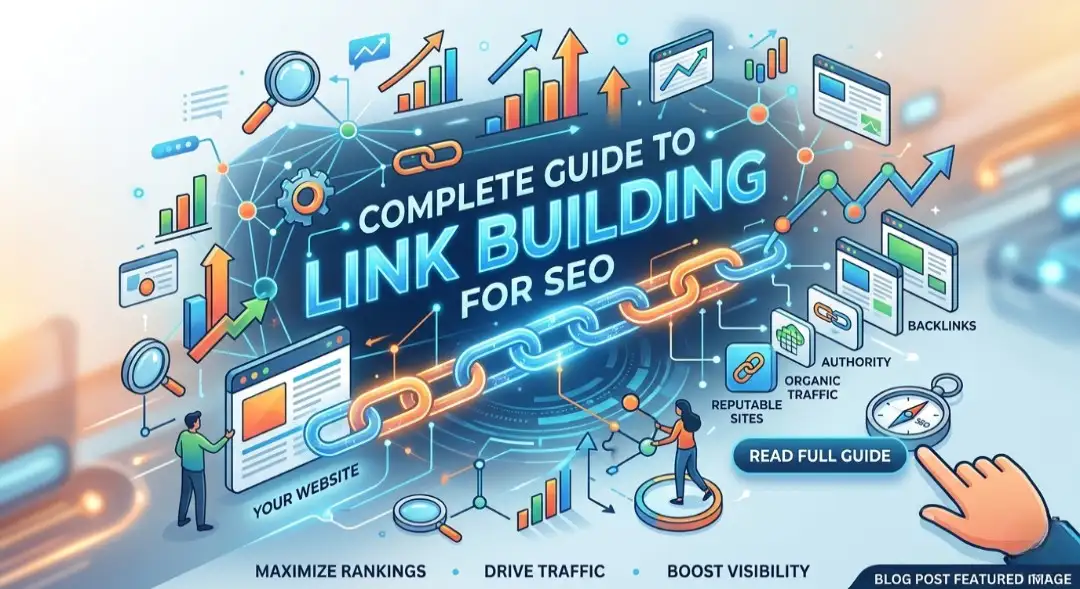
Link building remains one of the most important aspects of search engine optimization (SEO). While search engine algorithms have evolved significantly over the years, backlinks continue to play a major role in determining website authority and rankings.
When reputable websites link to your content, search engines like Google Search view those links as votes of confidence. The more high quality backlinks your website earns, the stronger your authority becomes, increasing your chances of ranking higher in search results.
In this comprehensive guide, you will learn the top link building strategies to boost website authority, increase organic traffic, and improve your SEO performance.
What is Link Building?
Link building is the process of acquiring hyperlinks (backlinks) from other websites to your own website. These links act as votes of confidence, signaling to search engines that your content is valuable, trustworthy, and worthy of being recommended to users.
In SEO, backlinks are one of the most important ranking factors because search engines use them to evaluate the authority and credibility of a website. When reputable websites link to your content, search engines are more likely to view your pages as reliable sources of information.
A hyperlink allows users to navigate from one website to another. When another website links to your page, that link is called a backlink or inbound link.
For example, if a popular marketing blog publishes an article and includes a link to your SEO guide as a useful resource, that link is considered a backlink for your website.
Why is Link Building Important?
Link building plays a crucial role in improving a website's search engine rankings and online visibility. High quality backlinks can help:
- Increase website authority
- Improve search engine rankings
- Drive referral traffic from other websites
- Help search engines discover new pages
- Build brand credibility and trust
- Strengthen overall SEO performance
Search engines like Google view backlinks as recommendations. Generally, a page that earns links from authoritative and relevant websites has a better chance of ranking higher in search results than a similar page with few or no backlinks.
Example of Link Building
Imagine you publish a detailed article titled "Complete SEO Guide." If several other websites link to that guide because they find it useful, your page gains valuable backlinks. These backlinks can increase the authority of the page and improve its chances of ranking for SEO related keywords.
Quality Matters More Than Quantity
Modern SEO focuses on earning high quality backlinks rather than simply collecting large numbers of links. A single backlink from a reputable and relevant website can be more valuable than dozens of low quality links from unrelated or spammy sites.
Successful link building is about creating valuable content, building relationships, and earning links naturally from websites that find your content useful. When done correctly, link building can significantly improve your website's authority, visibility, and long term search engine performance.
1. Create High Quality Linkable Content
The foundation of every successful link building strategy is creating high quality content that people naturally want to reference and share. If your content provides unique insights, useful information, or solves a specific problem, other websites are more likely to link to it as a valuable resource.
This type of content is often called linkable content because it attracts backlinks naturally without requiring aggressive outreach or promotional efforts. The better your content is, the easier it becomes to earn links from bloggers, website owners, journalists, and industry experts.
What Makes Content Linkable?
Content is more likely to attract backlinks when it is:
- Informative and well researched
- Original and unique
- Comprehensive and in depth
- Easy to understand and well structured
- Updated with accurate information
- Useful for solving a problem or answering a question
Examples of Linkable Content
Some of the most effective types of linkable content include:
- Comprehensive guides and tutorials
- Original research and case studies
- Industry statistics and data reports
- Infographics and visual resources
- Checklists and templates
- Expert roundups
- How to articles
- Free tools and calculators
For example, a detailed article titled "Complete SEO Guide for Beginners" is more likely to earn backlinks than a short article that only covers basic information. Similarly, publishing original research or industry statistics can attract links from multiple websites looking for reliable data sources.
Why High Quality Content Attracts Backlinks
Website owners and content creators constantly look for trustworthy resources to support their own articles. When your content provides value, they may link to it as a reference for their readers. These backlinks help increase your website's authority and improve its search engine visibility.
Search engines like Google reward websites that consistently publish useful and authoritative content. High quality content not only attracts backlinks but also improves user engagement, increases traffic, and strengthens your site's reputation over time.
Focus on Value First
Instead of creating content solely to gain links, focus on delivering genuine value to your audience. Content that educates, informs, or solves real problems naturally earns more shares, mentions, and backlinks.
By consistently publishing high quality linkable content, you create a strong foundation for long-term SEO success and make link building much easier and more sustainable.
2. Guest Blogging on Relevant Websites
Guest blogging is one of the most popular and effective link-building strategies. It involves writing and publishing articles on other websites within your industry or niche in exchange for exposure, brand awareness, and often a backlink to your own website.
When done correctly, guest blogging can help you build high quality backlinks, reach a wider audience, establish authority in your field, and drive targeted traffic to your website.
How Guest Blogging Works
The process is simple:
- Find reputable websites related to your niche.
- Pitch a valuable article idea to the website owner or editor.
- Write a high quality article that provides useful information to their audience.
- Include a relevant link to your website where appropriate, usually within the content or author bio.
For example, if you run an SEO blog, you might write a guest post for a digital marketing website about keyword research, link building, or technical SEO. In return, you may receive a backlink to your website, helping improve your online visibility and authority.
Benefits of Guest Blogging
Guest blogging offers several SEO and marketing benefits, including:
- Earning high quality backlinks
- Increasing website authority
- Driving targeted referral traffic
- Expanding brand awareness
- Building relationships with industry professionals
- Establishing expertise and credibility
A backlink from a respected website in your niche is often more valuable than multiple links from unrelated or low-quality websites.
Focus on Relevant and High Quality Websites
The success of guest blogging depends largely on the quality and relevance of the websites you choose. Always prioritize websites that:
- Are relevant to your industry
- Have a strong reputation
- Publish quality content
- Have an engaged audience
- Follow ethical SEO practices
Publishing guest posts on unrelated or low quality websites may provide little SEO value and could even harm your website's reputation.
Prioritize Quality Over Quantity
Search engines like Google value backlinks that are earned naturally from relevant and authoritative sources. Therefore, it is better to secure a few high quality guest post opportunities than to publish dozens of articles on low quality websites.
Best Practices for Guest Blogging
- Write original, valuable content.
- Target websites relevant to your niche.
- Avoid overly promotional articles.
- Use natural and relevant links.
- Focus on helping the audience first.
- Build long term relationships with website owners.
When used strategically, guest blogging can be an excellent way to earn quality backlinks, increase your website's authority, and strengthen your overall SEO strategy.
3. Broken Link Building
Broken link building is a popular and effective SEO strategy that involves finding broken links on other websites and suggesting your own relevant content as a replacement. This technique helps website owners fix broken links while giving you an opportunity to earn high quality backlinks.
A broken link is a hyperlink that no longer works because the destination page has been removed, moved, or no longer exists. When users click on these links, they often encounter a 404 Page Not Found error, which can negatively affect user experience.
How Broken Link Building Works
The broken link building process typically involves the following steps:
- Find relevant websites in your niche.
- Identify broken links on those websites.
- Create or find content on your website that matches the topic of the broken resource.
- Contact the website owner and inform them about the broken link.
- Suggest your content as a suitable replacement.
For example, if you discover a broken link on an SEO blog that previously pointed to a keyword research article, and you have a detailed keyword research guide on your website, you can recommend your article as an alternative resource.
Why Broken Link Building Is Effective
Unlike many traditional outreach methods, broken link building provides value to website owners. You are helping them improve their website by identifying broken links and offering a relevant solution.
Benefits of broken link building include:
- Earning high quality backlinks
- Improving website authority
- Building relationships with website owners
- Increasing referral traffic
- Helping other websites improve user experience
Tools for Finding Broken Links
SEO professionals often use tools to identify broken links, including:
- Browser extensions for link checking
- Website crawling tools
- SEO auditing software
- Backlink analysis tools
These tools can quickly locate broken pages and link opportunities across relevant websites.
Best Practices for Broken Link Building
- Target websites that are relevant to your niche.
- Suggest content that closely matches the original resource.
- Be polite and professional when contacting website owners.
- Focus on providing value rather than simply requesting a backlink.
- Ensure your replacement content is high quality and up to date.
Search engines like Google value natural backlinks earned through useful and relevant content. Because broken link building helps both website owners and users, it remains one of the most effective white hat link building strategies available.
When implemented correctly, broken link building can help you acquire valuable backlinks, strengthen your website's authority, and improve your long term SEO performance.
4. Resource Page Link Building
Resource page link building is a link building strategy that involves getting your website listed on resource pages that collect and recommend useful links, tools, guides, and educational content related to a specific topic or industry.
A resource page is designed to help users find valuable information in one place. These pages often contain links to high quality articles, tools, tutorials, case studies, and other helpful resources.
For example, a digital marketing website may have a resource page titled:
"Best SEO Resources for Beginners"
This page could include links to SEO guides, keyword research tools, link building tutorials, and other educational content. If your website has a valuable SEO guide, it may be a good candidate for inclusion on that resource page.
How Resource Page Link Building Works
The process generally involves:
- Finding resource pages related to your niche.
- Reviewing the content they currently link to.
- Identifying where your content would provide value.
- Contacting the website owner or editor.
- Recommending your content for inclusion on the resource page.
For example, if you have published a detailed article on link building and discover a resource page that lists SEO learning materials, you can reach out and suggest adding your guide as an additional resource.
Why Resource Page Link Building Is Effective
Resource pages are specifically created to link to useful content. This makes them an excellent opportunity for earning relevant and high quality backlinks.
Some key benefits include:
- Acquiring authoritative backlinks
- Increasing website visibility
- Driving targeted referral traffic
- Improving domain authority
- Building credibility within your industry
- Strengthening overall SEO performance
Because resource pages are designed to help users, backlinks from these pages are often highly relevant and can provide long term SEO value.
What Content Works Best for Resource Pages?
Not every page is suitable for resource page outreach. The content most likely to earn these links includes:
- Comprehensive guides
- Tutorials and how to articles
- Research studies
- Industry statistics
- Checklists and templates
- Educational resources
- Free tools and calculators
- In depth blog posts
The more useful and informative your content is, the greater the chances that website owners will consider adding it to their resource pages.
Best Practices for Resource Page Link Building
- Target websites relevant to your niche.
- Focus on high quality resource pages.
- Ensure your content provides genuine value.
- Personalize your outreach emails.
- Explain why your content would benefit their audience.
- Avoid spammy mass email campaigns.
Search engines like Google favor backlinks that are relevant, natural, and earned through valuable content. Resource page link building aligns with these principles because it focuses on helping users discover useful information rather than manipulating search rankings.
When combined with high quality content and strategic outreach, resource page link building can be a powerful way to earn authoritative backlinks and improve your website's SEO performance over time.
Examples of Resource Pages
- SEO resources
- Blogging tools
- Marketing guides
- Educational content
Resource pages often provide highly relevant and authoritative backlinks.
5. Digital PR and Media Outreach
Digital PR (Public Relations) and media outreach are advanced link building strategies that focus on earning high quality backlinks and brand mentions from news websites, online publications, blogs, journalists, and industry media outlets.
Unlike traditional link building, Digital PR aims to create newsworthy content that attracts attention from journalists, bloggers, and media organizations. When your content gets featured in reputable publications, you can earn valuable backlinks while also increasing brand awareness and credibility.
What Is Digital PR?
Digital PR involves promoting your business, website, research, or content to online media outlets in order to gain publicity and backlinks. The goal is to create content that journalists and publishers find interesting enough to mention or reference in their articles.
Examples of Digital PR content include:
- Original research and surveys
- Industry reports
- Data studies and statistics
- Expert opinions
- Company announcements
- Infographics
- Trend reports
- Unique case studies
For example, if you publish a detailed report about SEO trends or online shopping statistics, journalists and bloggers may cite your research in their articles and link back to your website as the original source.
What Is Media Outreach?
Media outreach is the process of contacting journalists, bloggers, editors, and publishers to introduce your content or story. This typically involves sending personalized emails explaining why your content would be valuable to their audience.
The outreach process often includes:
- Creating high quality and newsworthy content.
- Identifying relevant journalists and publications.
- Sending personalized pitches.
- Building relationships with media professionals.
- Earning mentions and backlinks when your story is published.
Benefits of Digital PR and Media Outreach
Digital PR offers several powerful SEO and branding benefits:
- Earns high authority backlinks
- Improves domain authority
- Increases organic traffic
- Builds brand credibility
- Generates media exposure
- Attracts referral traffic
- Strengthens overall SEO performance
A backlink from a respected news website or industry publication is often far more valuable than multiple links from smaller websites.
Why Digital PR Is Valuable for SEO
Search engines like Google consider backlinks from trusted and authoritative websites as strong signals of credibility. When reputable media outlets link to your content, it can significantly improve your website's authority and ranking potential.
In addition, media coverage helps increase brand recognition, making it more likely that other websites will mention and link to your content in the future.
Best Practices for Digital PR
- Create unique and newsworthy content.
- Publish original data and research whenever possible.
- Personalize outreach emails.
- Target journalists and publications relevant to your niche.
- Focus on building long term media relationships.
- Provide genuine value instead of simply requesting backlinks.
When combined with high quality content, Digital PR and media outreach can become one of the most powerful long term link building strategies. It not only helps you earn authoritative backlinks but also establishes your brand as a trusted source of information within your industry.
6. Publish Original Research and Statistics
Publishing original research and statistics is one of the most effective ways to earn high-quality backlinks naturally. Website owners, bloggers, journalists, and content creators frequently look for reliable data to support their articles, reports, and studies. When your website becomes the source of that data, other websites are more likely to cite and link to your content.
Unlike ordinary blog posts, original research provides unique information that cannot be found elsewhere. This makes your content highly valuable and increases its chances of attracting backlinks over time.
What Is Original Research?
Original research involves collecting, analyzing, and publishing your own data rather than relying solely on information from other sources.
Examples include:
- Industry surveys
- Market research reports
- Case studies
- User behavior analysis
- Customer feedback studies
- Trend reports
- Performance benchmarks
- Data driven SEO studies
For example, if you run an SEO website, you could analyze hundreds of websites and publish a report on the most common SEO mistakes. Because the data is unique, other websites may reference your findings and link back to your research.
Why Statistics Attract Backlinks
Writers and journalists often need credible statistics to support their content. Instead of conducting their own research, they usually cite existing studies from trustworthy sources.
When your website publishes valuable statistics, it can become a reference point for:
- Bloggers
- Journalists
- Researchers
- Industry experts
- News websites
- Educational websites
Each time someone cites your data and links to your study, you gain a valuable backlink that can strengthen your website's authority.
Benefits of Publishing Original Research
Original research offers numerous SEO and branding advantages:
- Attracts natural backlinks
- Builds topical authority
- Increases brand credibility
- Generates media coverage
- Drives long term organic traffic
- Creates highly shareable content
- Improves search engine rankings
Unlike many link-building methods that require continuous outreach, high-quality research can continue attracting backlinks for months or even years after publication.
How to Create Research Based Content
A successful research project typically includes:
- Choosing a relevant topic.
- Collecting accurate data.
- Analyzing the results.
- Presenting findings clearly.
- Creating charts, graphs, or visual summaries.
- Publishing a detailed report.
The more useful and trustworthy the data is, the more likely other websites will reference it.
Best Practices
- Use accurate and verifiable data.
- Focus on topics relevant to your industry.
- Present findings in an easy to understand format.
- Include charts, graphs, and visual elements.
- Update statistics regularly when possible.
- Promote your research through outreach and social media.
Search engines like Google value content that demonstrates expertise, authority, and originality. Because original research provides unique insights that cannot easily be duplicated, it is often one of the strongest types of content for earning backlinks and building long term SEO authority.
By consistently publishing original research and statistics, you can establish your website as a trusted industry resource while attracting valuable backlinks that improve rankings, traffic, and overall online visibility.
7. Skyscraper Technique
The Skyscraper Technique is a popular link building strategy that involves finding high performing content in your niche, creating a better and more comprehensive version of that content, and then promoting it to websites that have already linked to the original article.
The concept was developed by SEO expert Brian Dean and is based on a simple idea: if people are already linking to existing content, they may be willing to link to a superior version that provides more value.
How the Skyscraper Technique Works
The process generally consists of three steps:
1. Find Popular Content
Start by identifying content in your niche that has already earned a large number of backlinks and performs well in search results.
Look for articles that are:
- Ranking highly on search engines
- Frequently shared on social media
- Earning backlinks from multiple websites
- Covering topics relevant to your audience
2. Create Something Better
Once you find successful content, create an improved version that provides more value to readers.
You can improve the content by:
- Adding more detailed information
- Including updated data and statistics
- Improving design and formatting
- Adding images, charts, or infographics
- Covering additional subtopics
- Making the content easier to read and understand
For example, if an existing article is titled "10 SEO Tips for Beginners," you could create a more comprehensive guide such as "50 Proven SEO Strategies for Higher Rankings in 2026."
3. Promote Your Content
After publishing the improved content, reach out to websites that linked to the original article and let them know about your updated resource.
Because these websites have already shown interest in the topic, they may consider linking to your content if it provides greater value to their readers.
Why the Skyscraper Technique Is Effective
The Skyscraper Technique works because it focuses on content that has already proven its popularity. Instead of guessing what people might want to link to, you create a better version of content that has already demonstrated link building potential.
Benefits include:
- Earning high quality backlinks
- Increasing organic traffic
- Building topical authority
- Improving search engine rankings
- Creating valuable content for users
- Strengthening brand credibility
Best Practices for the Skyscraper Technique
- Choose content with proven backlink success.
- Focus on quality rather than simply making content longer.
- Update outdated information.
- Add unique insights and examples.
- Use professional formatting and visuals.
- Conduct personalized outreach instead of mass emailing.
Focus on Value, Not Just Length
A common mistake is assuming that "better" only means longer. In reality, better content should be more useful, accurate, engaging, and comprehensive. Sometimes a shorter but more practical guide can outperform a lengthy article filled with unnecessary information.
Search engines like Google prioritize content that provides the best experience for users. When your content becomes the most valuable resource on a topic, it naturally attracts more links, shares, and engagement.
When implemented correctly, the Skyscraper Technique can be a powerful strategy for earning authoritative backlinks, improving rankings, and establishing your website as a leading source of information in your niche.
8. Build Relationships with Industry Experts
Building relationships with industry experts is one of the most effective long term link building strategies. Instead of focusing solely on acquiring backlinks, this approach emphasizes networking, collaboration, and creating genuine professional connections within your industry.
When you establish strong relationships with bloggers, website owners, influencers, journalists, and industry leaders, opportunities for backlinks, partnerships, mentions, and content collaborations often occur naturally.
Why Relationships Matter in Link Building
Many high quality backlinks are earned through trust and professional relationships. People are more likely to reference, recommend, and link to content created by individuals and businesses they know and respect.
For example, if you regularly engage with SEO professionals, contribute valuable insights to discussions, and publish helpful content, those experts may eventually mention your work in their articles, newsletters, podcasts, or social media posts.
Ways to Build Relationships with Industry Experts
There are many ways to connect with professionals in your niche, including:
- Engaging with their content on social media
- Commenting thoughtfully on blog posts
- Sharing their articles with your audience
- Participating in industry forums and communities
- Attending webinars and online events
- Collaborating on content projects
- Conducting interviews and expert roundups
- Offering genuine value before asking for anything in return
The key is to build authentic relationships rather than approaching people solely for backlinks.
Benefits of Networking with Industry Experts
Strong professional relationships can lead to numerous opportunities, such as:
- Natural backlinks
- Guest blogging invitations
- Content collaborations
- Podcast appearances
- Social media mentions
- Brand exposure
- Business partnerships
- Increased credibility and authority
Unlike one time link building tactics, relationships can continue providing value for years.
Focus on Providing Value
One of the biggest mistakes people make is contacting experts only when they need a backlink. Successful networking is based on mutual benefit and genuine interaction.
You can provide value by:
- Sharing useful insights
- Promoting their content
- Contributing expertise
- Helping solve problems
- Supporting their projects
When you consistently contribute value to your industry, people are more likely to recognize your expertise and support your work.
Build Trust Over Time
Strong relationships are rarely built overnight. Networking is a long term process that requires consistency, professionalism, and authenticity. The more visible and helpful you become within your industry, the more opportunities will arise naturally.
Search engines like Google value backlinks that are earned naturally through relevance, authority, and trust. Relationships often lead to exactly these kinds of high quality links because they are based on genuine recognition rather than artificial link-building schemes.
By building meaningful connections with industry experts, you not only improve your chances of earning valuable backlinks but also strengthen your reputation, expand your network, and create opportunities that contribute to long term SEO and business growth.
9. Use HARO and Expert Contributions
HARO (Help a Reporter Out) and similar expert contribution platforms are powerful link building methods that connect experts with journalists who are looking for credible sources for their articles. By providing valuable insights, you can earn high-quality backlinks from reputable news websites and publications.
HARO is a service where journalists post queries on specific topics, and experts respond with useful answers. If a journalist finds your response helpful, they may include your quote in their article along with a backlink to your website.
How HARO Works
The process is simple:
- Journalists submit questions or topics they are researching.
- Experts receive these queries via email or platform alerts.
- You submit a short, helpful, and relevant response.
- If selected, your answer gets published in an article.
- You receive a backlink from a high-authority website.
For example, a journalist writing about SEO trends may ask for expert opinions. If you respond with a strong, insightful answer, your contribution may be featured in their published article.
What Is Expert Contribution?
Expert contribution is a broader concept that includes platforms like HARO and other services where industry professionals provide insights for articles, interviews, or reports. These contributions are often used by bloggers, news sites, and media outlets looking for trustworthy information.
Other similar platforms include:
- Q&A media request services
- Journalist outreach platforms
- Expert roundup opportunities
- Industry interview requests
Benefits of Using HARO and Expert Contributions
This strategy offers several strong SEO advantages:
- Earn high authority backlinks
- Increase brand credibility
- Gain media exposure
- Improve domain authority
- Drive referral traffic
- Position yourself as an industry expert
- Build trust with audiences and journalists
Backlinks earned from news websites or reputable publications are often highly valuable because they come from trusted and authoritative sources.
Why This Strategy Works
Search engines like Google place a high value on links from authoritative and trustworthy websites. When journalists or major publications reference your expertise, it signals that your content is reliable and credible.
Unlike traditional outreach methods, HARO focuses on earning links by providing real value rather than requesting backlinks directly. This makes it a natural and ethical way to build authority.
Best Practices for HARO Success
- Respond quickly to queries.
- Keep answers short, clear, and valuable.
- Provide expert level insights.
- Avoid overly promotional language.
- Include credentials when relevant.
- Focus on quality over quantity of responses.
- Be consistent and respond regularly.
Using HARO and expert contribution platforms is an excellent way to earn high quality backlinks from trusted sources. By consistently providing valuable insights, you can build authority, improve SEO performance, and increase your visibility across reputable media platforms.
10. Create Infographics
Creating infographics is a powerful link building strategy that involves turning complex information, data, or concepts into visually appealing graphics that are easy to understand and share. Infographics are highly effective because they simplify information while making it more engaging and attractive for readers.
When content is presented visually, people are more likely to share it on blogs, websites, and social media platforms. As a result, infographics naturally attract backlinks from other websites that use them as references or embed them in their content.
Why Infographics Work for Link Building
Infographics are highly shareable because they:
- Present information in a clear and visual format
- Make complex topics easier to understand
- Are more engaging than plain text
- Can be easily embedded on other websites
- Provide quick and valuable insights
For example, instead of writing a long article about SEO statistics, you can create an infographic that visually displays key data such as ranking factors, traffic trends, or backlink strategies.
How Infographics Generate Backlinks
When other websites find your infographic useful, they may:
- Share it on their blog or website
- Embed it in their content
- Reference your website as the source
- Share it on social media platforms
In all these cases, your website receives a backlink, which helps improve authority and search engine rankings.
Search engines like Google value natural backlinks that come from useful and shareable content. Infographics are particularly effective because they are designed to be reused and referenced across multiple platforms.
Types of Infographics You Can Create
Some popular infographic types include:
- Statistical infographics
- Step by step guides
- Comparison charts
- Timeline visuals
- Process diagrams
- Industry data summaries
- “How-to” visual guides
Best Practices for Creating Infographics
- Keep the design simple and easy to understand
- Use accurate and well researched data
- Focus on one clear topic per infographic
- Use readable fonts and colors
- Include your website URL or branding
- Make it easy for others to embed and share
How to Promote Your Infographics
Creating an infographic is not enough you also need to promote it:
- Share it on social media platforms
- Submit it to infographic directories
- Reach out to bloggers in your niche
- Include it in guest posts
- Use it in outreach campaigns
Infographics are an excellent link building tool because they combine valuable information with strong visual appeal. When done correctly, they can generate consistent backlinks, increase brand visibility, and drive long-term organic traffic.
By creating high quality and informative infographics, you make it easier for others to share your content, which ultimately strengthens your SEO performance and online authority.
11. Reclaim Unlinked Brand Mentions
Reclaiming unlinked brand mentions is a smart and often overlooked link building strategy. It involves finding instances where your brand, website, or content has been mentioned online without a hyperlink, and then reaching out to request that the mention be turned into a clickable backlink.
Many websites, blogs, and news articles may mention your brand naturally when discussing your industry, products, or content. However, they don’t always include a link to your website. These missed opportunities can be converted into valuable backlinks through simple outreach.
How Unlinked Brand Mentions Happen
Unlinked mentions usually occur when:
- A website references your brand or content but forgets to add a link
- Journalists mention your company in an article without linking
- Bloggers discuss your content or tools informally
- Social mentions or citations are made without URLs
For example, a blog may write about your SEO guide and mention your website name but not link to it. This is a perfect opportunity for link reclamation.
How to Find Unlinked Mentions
You can discover unlinked brand mentions using:
- Google search operators
- Brand monitoring tools
- SEO tools that track mentions
- Alerts for your brand name
- Backlink analysis platforms
These tools help you identify where your brand is being discussed across the web.
How to Reclaim These Links
Once you find an unlinked mention, follow these steps:
- Check if the mention is relevant and trustworthy.
- Contact the website owner or author.
- Politely thank them for mentioning your brand.
- Request that they add a link to your website.
- Provide the correct URL for convenience.
For example, if a blog mentions your website as a helpful SEO resource, you can reach out and ask them to add a link to your homepage or relevant article.
Why This Strategy Works
Unlinked brand mention reclamation is effective because the website has already shown interest in your brand. You are not asking them to create new content—only to improve an existing mention.
Benefits include:
- Easy acquisition of backlinks
- Increased referral traffic
- Improved brand authority
- Better SEO performance
- Strengthened online presence
Search engines like Google consider backlinks as signals of trust and authority. Turning brand mentions into links helps maximize the SEO value of existing visibility.
Best Practices
- Focus on high quality and relevant websites
- Be polite and professional in outreach
- Avoid aggressive or spammy requests
- Prioritize meaningful mentions over low-value sites
- Regularly monitor brand mentions
Reclaiming unlinked brand mentions is one of the easiest ways to build backlinks because the hard part getting mentioned has already been done. By simply converting these mentions into links, you can strengthen your website’s authority, improve SEO performance, and gain additional referral traffic with minimal effort.
12. Publish Ultimate Guides
Publishing ultimate guides is one of the most powerful link building and SEO strategies. An ultimate guide is a long, detailed, and comprehensive piece of content that covers a topic from A to Z in a single resource. Because of its depth and usefulness, it naturally attracts backlinks from other websites.
Ultimate guides are designed to be the “go to resource” on a specific topic. When your content becomes the most complete and helpful explanation available, other bloggers, marketers, and website owners are more likely to reference and link to it.
What Is an Ultimate Guide?
An ultimate guide is a complete educational resource that explains everything a user needs to know about a topic.
For example:
- Ultimate Guide to SEO
- Ultimate Guide to Link Building
- Ultimate Guide to Keyword Research
- Ultimate Guide to Content Marketing
These guides are not short articles. Instead, they cover every important aspect of the topic in detail.
Why Ultimate Guides Attract Backlinks
Ultimate guides naturally earn backlinks because they:
- Provide complete and in depth information
- Answer multiple questions in one place
- Are useful for beginners and experts
- Serve as reference material for other writers
- Stay relevant for a long time
When other websites need a reliable source to support their content, they often link to comprehensive guides instead of shorter articles.
Search engines like Google also value in depth, high quality content that demonstrates expertise and authority. Ultimate guides help improve your website’s trustworthiness and topical authority.
How to Create an Ultimate Guide
To create a successful ultimate guide:
- Choose a broad and important topic
- Research the subject in depth
- Cover all related subtopics
- Add examples, case studies, and visuals
- Structure content with clear headings
- Include actionable tips and strategies
- Keep the information updated
For example, an Ultimate Guide to SEO might include sections on on-page SEO, off-page SEO, technical SEO, keyword research, and link building.
Benefits of Ultimate Guides
Publishing ultimate guides offers many SEO advantages:
- Earns natural backlinks
- Improves search rankings
- Increases organic traffic
- Builds authority and trust
- Keeps users engaged longer
- Strengthens internal linking opportunities
- Provides long term content value
Best Practices
- Focus on quality over quantity
- Make content easy to read and well structured
- Use visuals like charts and images
- Update the guide regularly
- Promote it through outreach and social media
Ultimate guides are powerful because they combine depth, value, and authority in one resource. When done correctly, they become link magnets that continuously attract backlinks over time, helping your website grow in visibility, authority, and search engine rankings.
13. Create Free Tools and Calculators
Creating free tools and calculators is one of the most powerful long term link building strategies because useful tools naturally attract backlinks, traffic, and repeated visits over time. Unlike regular blog posts, tools provide ongoing value to users, which makes them highly shareable and link worthy.
When people find a tool that solves a real problem or saves time, they often link to it from their own websites, blogs, or resources. This creates natural backlinks without needing constant outreach.
What Are Free Tools and Calculators?
Free tools and calculators are interactive resources that help users perform a specific task or calculation quickly.
Examples include:
- SEO keyword difficulty checker
- Backlink checker tool
- Domain authority checker
- ROI calculator
- Loan or profit calculators
- Word count tool
- Unit conversion tools
- Website audit tools
For example, an SEO website might create a “Backlink Analyzer Tool” that allows users to check their website’s backlinks instantly.
Why Tools Attract Backlinks
Tools generate backlinks because they:
- Solve real user problems
- Provide instant results
- Save time and effort
- Are highly practical and reusable
- Are often referenced in tutorials and blogs
When bloggers write about a topic, they often link to useful tools as recommendations for their readers. This makes tools powerful “link magnets.”
Search engines like Google also recognize the value of interactive and useful content. Websites that provide helpful tools often gain higher authority because they improve user experience and engagement.
How Tools Help SEO
Free tools can significantly improve SEO performance by:
- Generating natural backlinks over time
- Increasing organic traffic
- Improving user engagement
- Reducing bounce rate
- Increasing time spent on site
- Building brand authority
Unlike articles that may lose traffic over time, tools often continue to attract users for years.
How to Create Effective Tools
To build a successful tool or calculator:
- Identify a common problem in your niche
- Build a simple and user friendly solution
- Ensure fast and accurate results
- Keep the interface clean and easy to use
- Optimize it for mobile users
- Add clear instructions if needed
Even simple tools can perform very well if they solve a real problem.
Best Practices
- Focus on usefulness over complexity
- Keep the tool fast and lightweight
- Update it regularly
- Make it easy to share
- Include your branding or website link
- Promote it through SEO and outreach
Free tools and calculators are extremely effective for link building because they provide continuous value to users. When your tool becomes useful in your niche, other websites will naturally reference and link to it, helping you build strong authority, increase traffic, and improve long term SEO performance.
14. Leverage Social Media Promotion
Leveraging social media promotion is an important strategy in link building and overall SEO growth. While social media links are usually “no-follow” and do not directly pass SEO authority, they play a crucial role in increasing visibility, driving traffic, and helping your content earn natural backlinks.
When your content reaches a wider audience on social platforms, it has a higher chance of being discovered, shared, and referenced by bloggers, journalists, and website owners.
What Is Social Media Promotion?
Social media promotion means sharing your content on platforms where your target audience is active, such as:
- X (Twitter)
By consistently sharing your articles, guides, tools, and resources, you increase the chances of people engaging with your content.
How Social Media Helps Link Building
Social media does not usually create direct SEO value through backlinks, but it indirectly supports link building in several ways:
- Increases content visibility
- Drives targeted traffic to your website
- Encourages shares and engagement
- Helps content go viral
- Attracts bloggers and journalists
- Leads to natural backlinks over time
For example, if you publish a high quality SEO guide and it gets widely shared on LinkedIn or Reddit, bloggers may discover it and link to it in their own articles.
Search engines like Google consider user engagement signals and content popularity as indirect indicators of value. Content that performs well on social media often gains more organic backlinks.
Best Practices for Social Media Promotion
- Share every new blog post and resource
- Use engaging captions and headlines
- Add visuals like images, infographics, or short videos
- Post consistently, not just once
- Engage with comments and discussions
- Use relevant hashtags for discoverability
- Repurpose content into different formats
Content That Performs Well on Social Media
Some types of content naturally perform better on social platforms:
- List based articles
- Infographics
- Short tips and insights
- Data driven content
- How to guides
- Case studies
- Videos and tutorials
Why Social Media Matters for SEO
Even though social signals are not a direct ranking factor, social media plays a powerful supporting role in SEO. It helps your content reach more people, which increases the likelihood of earning backlinks from authoritative websites.
More visibility - more traffic - more shares - more backlinks.
Social media promotion is not just about likes and shares; it is a powerful distribution channel that amplifies your content reach. When used effectively, it helps your content get discovered by the right audience, leading to more natural backlinks, stronger brand awareness, and improved long term SEO performance.
Link Building Mistakes to Avoid
Link building is a powerful SEO strategy, but if it is done incorrectly, it can harm your website’s rankings instead of improving them. Many websites make critical mistakes that reduce the effectiveness of their backlink strategy or even lead to search engine penalties.
To build a strong and safe SEO foundation, it is important to understand and avoid these common link building mistakes.
1. Buying Low Quality Backlinks
One of the biggest mistakes is buying cheap or spammy backlinks from unreliable sources. These links often come from irrelevant or low authority websites and can negatively affect your site’s reputation.
Search engines like Google may ignore or penalize unnatural link patterns, especially if they appear manipulative.
2. Focusing on Quantity Instead of Quality
Many website owners believe that more backlinks automatically mean better rankings. In reality, a few high-quality backlinks from authoritative websites are far more valuable than hundreds of low quality links.
Quality, relevance, and authority are more important than link volume.
3. Using Irrelevant Websites
Getting backlinks from websites that are not related to your niche can reduce the effectiveness of your SEO strategy. Relevant backlinks carry more weight because they come from related content and audiences.
4. Over-Optimized Anchor Text
Using the same keyword-rich anchor text repeatedly looks unnatural and can trigger spam signals. A natural backlink profile should include a mix of:
- Branded anchors
- Generic anchors
- Natural phrases
- Partial keywords
5. Ignoring Link Diversity
A healthy backlink profile includes links from different types of sources such as blogs, news websites, forums, directories, and social platforms. Relying on only one type of link source can look unnatural.
6. Building Links Too Quickly
A sudden spike in backlinks can look suspicious to search engines. Natural link growth usually happens gradually over time. Rapid, unnatural growth may be considered manipulative.
7. Using Automated Link Building Tools
Automated tools that generate mass backlinks often create spammy, low-quality links. These tools can harm your website more than help it and should be avoided.
8. Not Checking Link Quality
Not all backlinks are beneficial. Some links can come from spam or harmful websites. Regularly auditing your backlink profile helps you identify and remove toxic links.
9. Ignoring Internal Link Balance
Even if you build strong external backlinks, poor internal linking can limit their effectiveness. A well structured internal linking system is essential to distribute link authority properly.
10. Not Tracking Link Performance
If you do not monitor your backlinks, you may not know which links are helping or harming your SEO. Tracking helps you understand which strategies are working best.
How Long Does Link Building Take?
Link building is a long term strategy.
Most websites begin seeing noticeable improvements after several months of consistent effort.
Factors affecting results include:
- Competition level
- Content quality
- Website authority
- Outreach effectiveness
Patience and consistency are essential for success.
Measuring Link Building Success
You can track your progress using SEO tools such as:
- Ahrefs
- SEMrush
- Moz Pro
- Google Search Console
Monitor:
- Number of backlinks
- Referring domains
- Organic traffic growth
- Keyword rankings
- Domain authority
Link building remains one of the most effective ways to improve website authority and search engine rankings. High quality backlinks signal trust, relevance, and authority to search engines, helping your website compete in competitive search results.
By focusing on ethical strategies such as guest blogging, digital PR, original research, resource page outreach, and creating exceptional content, you can build a powerful backlink profile that drives long term SEO success.
Remember that successful link building is not about acquiring the most links it's about earning the right links from trustworthy and relevant websites. Consistent effort, valuable content, and strategic outreach will help your website gain authority and achieve sustainable growth in organic search traffic.