 Admin
Admin  21 May 2026
Search engine optimization continues to evolve every year, and understanding SEO ranking factors is essential if you want your website to appear on the first page of search results. Search engines analyze hundreds of signals to determine which pages deserve higher rankings.
The algorithm used by Google Search evaluates different elements such as content quality, backlinks, website speed, and user experience. If you understand these ranking factors and optimize your website accordingly, you can significantly improve your organic traffic.
This guide explains the top 20 SEO ranking factors you must know to build a strong SEO strategy.
What Are SEO Ranking Factors?
SEO ranking factors are the criteria search engines use to determine the position of a webpage in search results.
These factors help search engines evaluate:
- Relevance of content
- Authority of the website
- User experience
- Trustworthiness of information
Optimizing your website for these factors increases your chances of ranking higher.
1. High Quality Content
Content remains the most important SEO ranking factor. Search engines prioritize pages that provide valuable, informative, and original content.
Good content should:
Answer the user’s question
Be well structured and easy to read
Provide accurate information
Offer unique insights
High quality content naturally attracts backlinks and user engagement.
2. Keyword Optimization
Keywords help search engines understand the topic of your webpage.
Important places to include keywords:
Title tag
Headings
Meta description
First paragraph
Image alt text
However, avoid keyword stuffing and always write naturally.
3. Search Intent
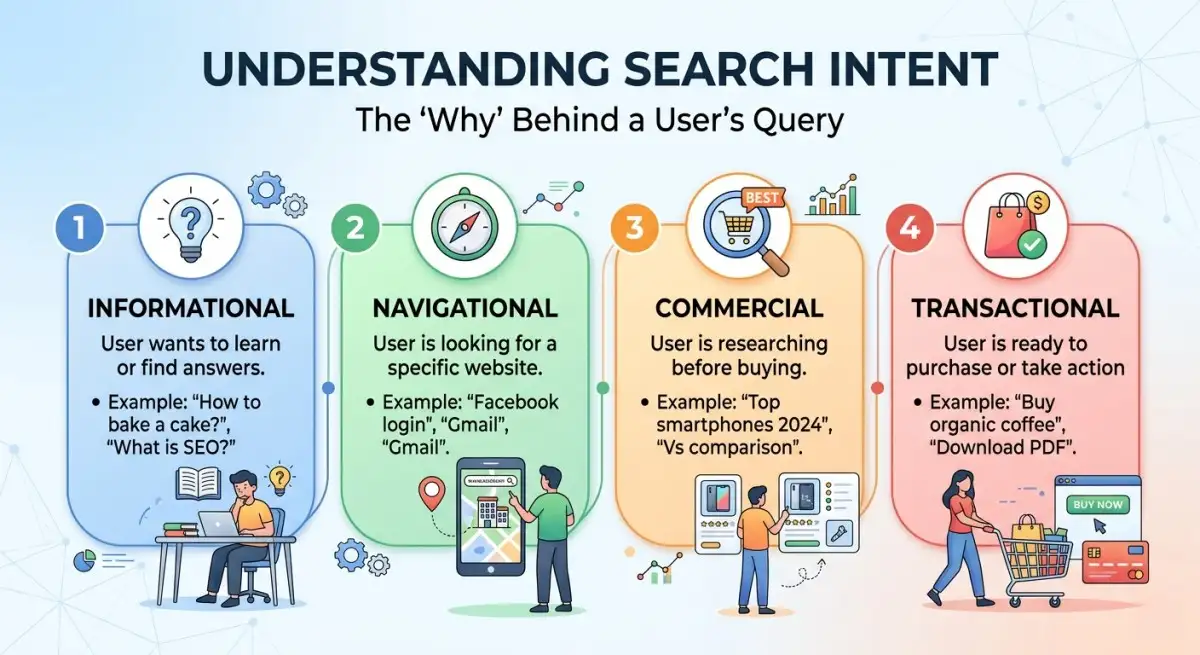
Search intent refers to the reason behind a user’s search query.
There are four main types of search intent:
Informational
Navigational
Transactional
Commercial
Content that matches user intent performs better in search rankings.
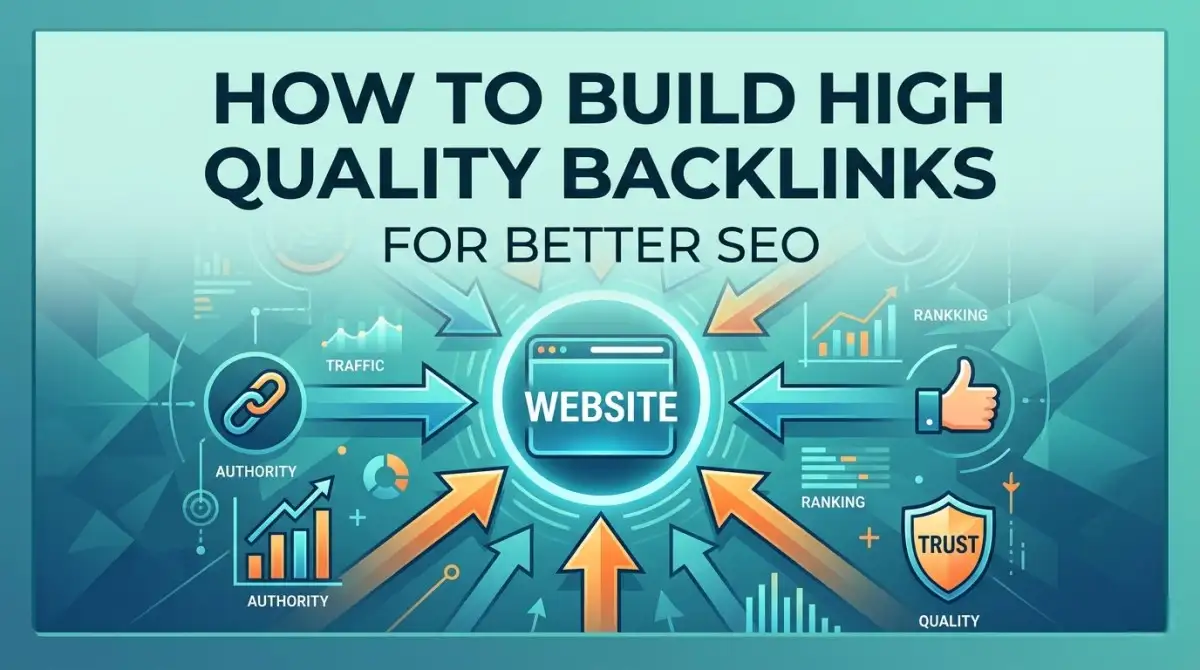
4. Backlinks
Backlinks are links from other websites pointing to your content.
Search engines consider backlinks as a vote of confidence. The more high quality backlinks you have, the stronger your website authority becomes.
However, quality matters more than quantity.
5. Domain Authority
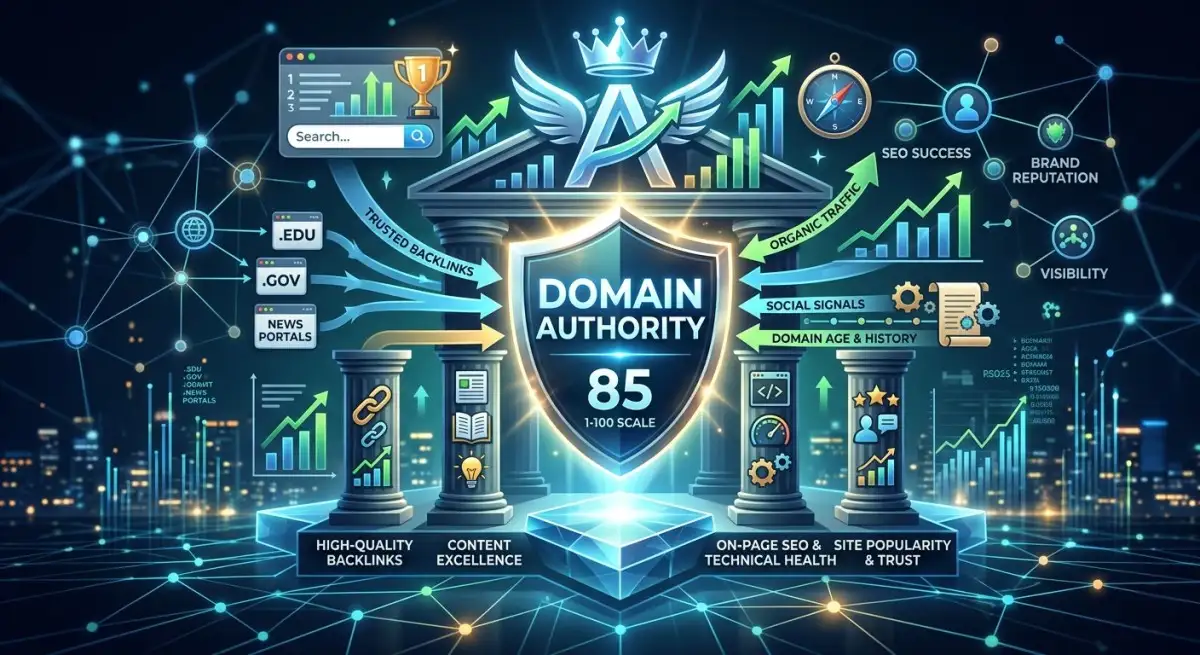
Domain authority refers to the overall trust and credibility of a website.
Websites with strong authority tend to rank higher because search engines consider them reliable sources of information.
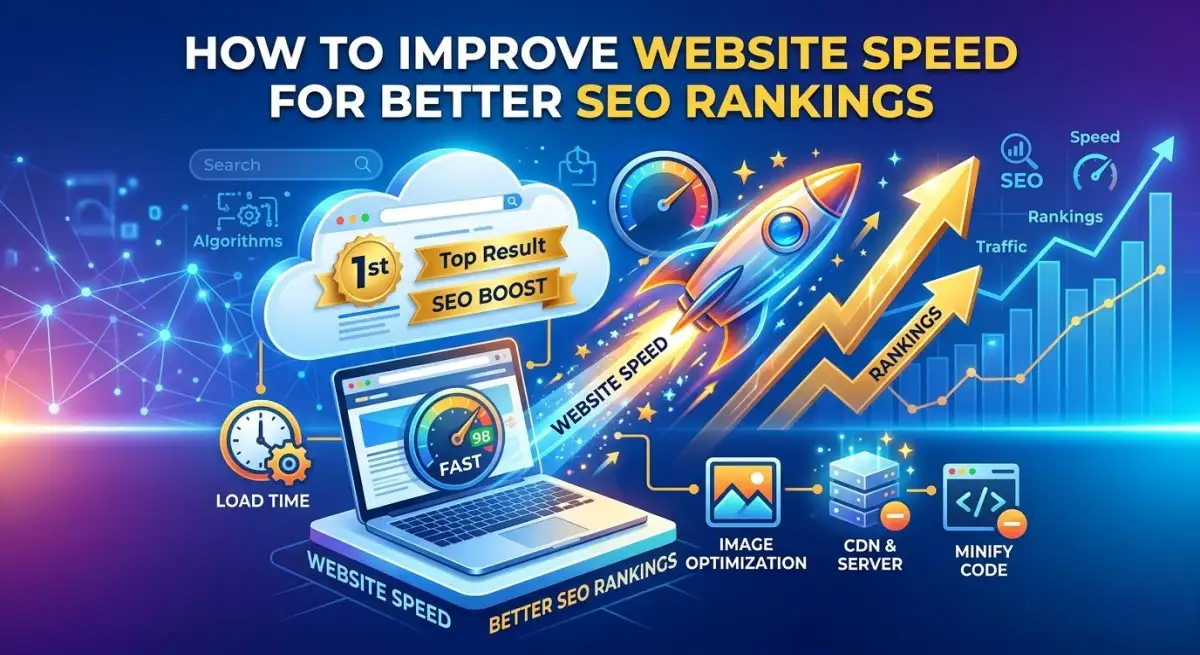
6. Page Speed
Page speed is an important ranking factor that affects user experience.
Slow websites can increase bounce rates and reduce engagement.
You can test website speed using Google PageSpeed Insights.
Faster websites generally perform better in search results.
7. Mobile Friendliness
Most users access websites through smartphones.
Search engines use mobile-first indexing, which means the mobile version of your website is considered the primary version.
You can check mobile compatibility using Google Mobile Friendly Test.
8. Secure Website (HTTPS)
Security is an important ranking factor.
Websites using HTTPS encryption provide safer browsing experiences.
Search engines prefer secure websites over non-secure ones.
9. User Experience (UX)
User experience includes how easy and enjoyable it is for visitors to use your website.
Important UX elements include:
Easy navigation
Clean design
Fast loading pages
Mobile compatibility
Good user experience helps reduce bounce rates and improve engagement.
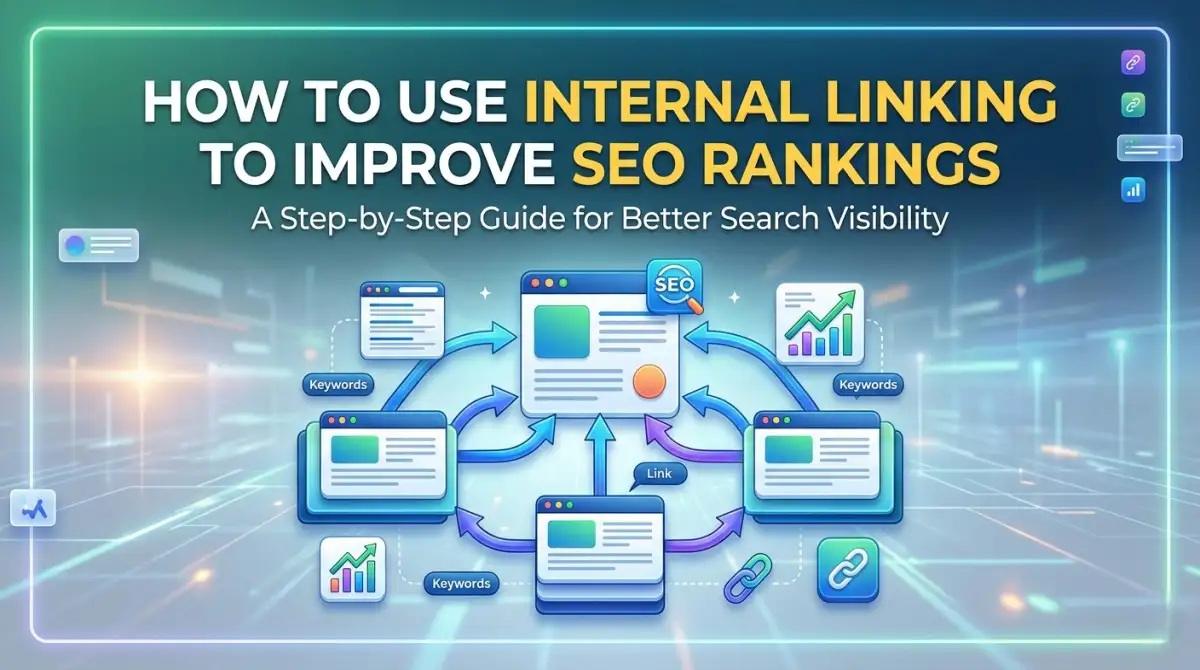
10. Internal Linking
Internal links connect pages within your website.
Benefits of internal linking:
Improves website structure
Helps search engines crawl pages
Distributes link authority
A strong internal linking structure helps improve rankings.
11. Website Structure
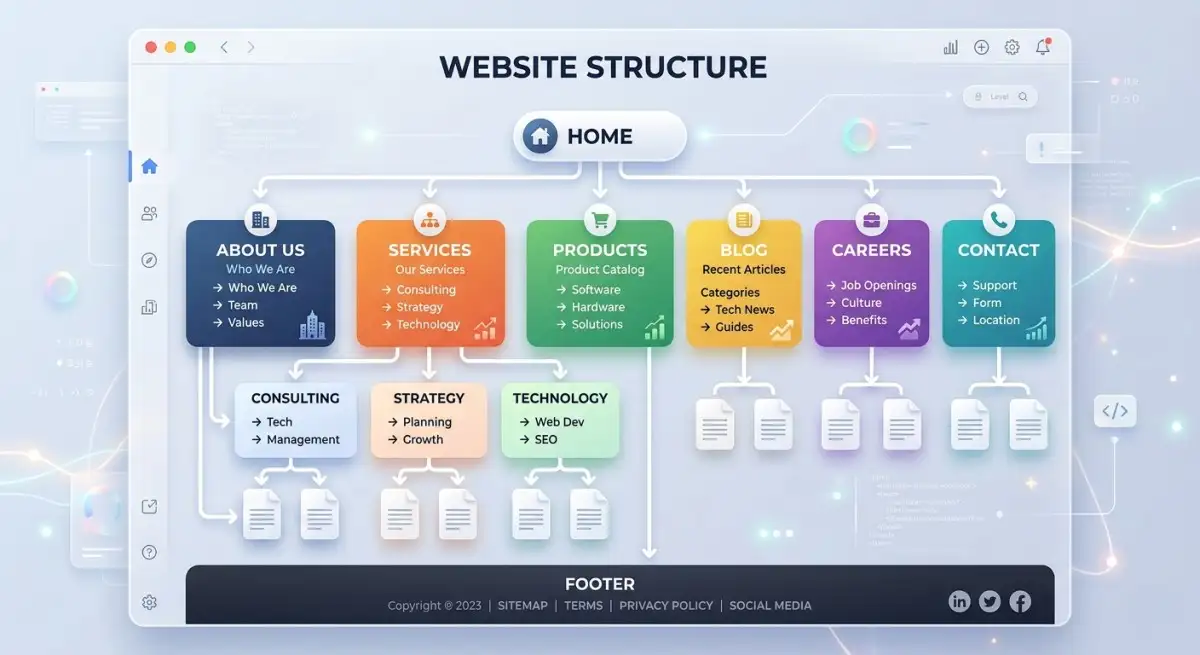
A well-organized website structure helps search engines understand your content hierarchy.
Use clear navigation, categories, and logical URLs.
12. Optimized Title Tags
Title tags are one of the most important on-page SEO factors.
A good title tag should:
Include the main keyword
Be clear and descriptive
Stay within recommended length
Optimized titles improve both rankings and click-through rates.
13. Meta Descriptions
Meta descriptions provide a short summary of a webpage in search results.
Although they are not a direct ranking factor, they influence click through rates.
A compelling meta description can attract more visitors.
14. Image Optimization
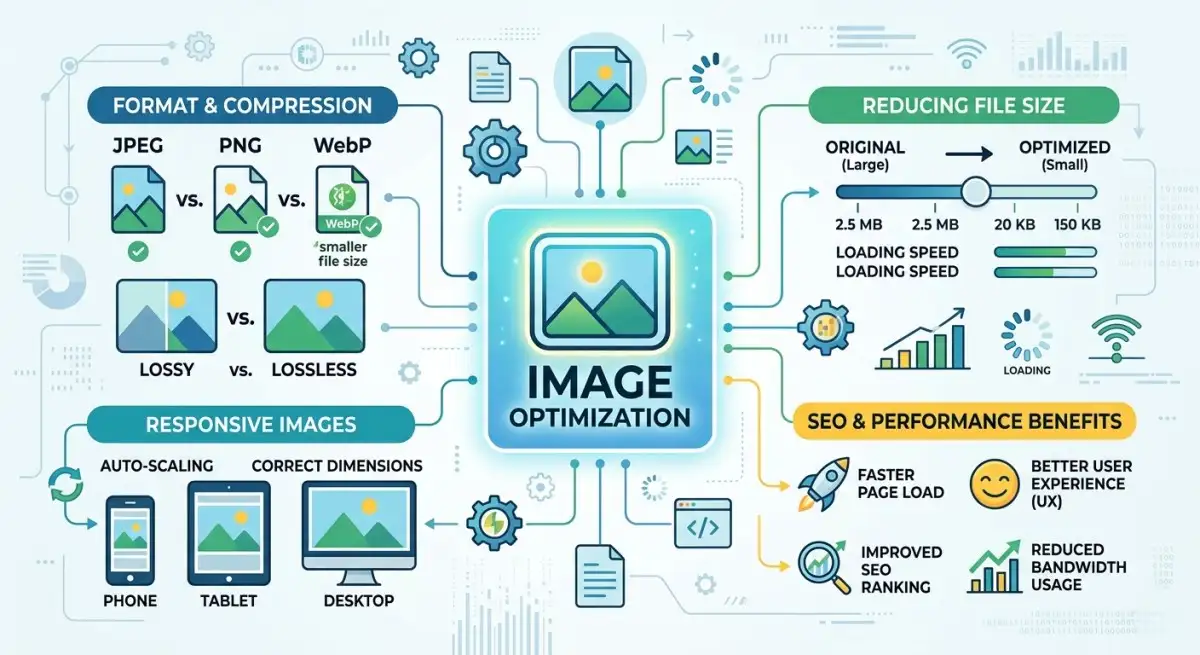
Images should be optimized to improve page speed and SEO.
Best practices include:
Using descriptive file names
Adding alt text
Compressing images
Optimized images improve both accessibility and performance.
15. Content Freshness
Search engines prefer updated and relevant content.
Updating old articles with new information can improve rankings.
Fresh content signals that your website is active and reliable.
16. Social Signals
Social media activity can indirectly impact SEO.
Sharing content on platforms like Facebook, Instagram, and X helps increase visibility and traffic.
More engagement can lead to more backlinks and brand awareness.
17. Content Length and Depth
Comprehensive content often performs better in search results because it provides more value to readers.
Detailed articles usually cover topics more thoroughly.
However, quality should always come before length.
18. Crawlability and Indexing
Search engines must be able to crawl and index your website.
Tools like Google Search Console help monitor indexing issues and ensure search engines can access your pages.
19. Technical SEO
Technical SEO ensures that your website works properly for search engines.
Important technical factors include:
XML sitemaps
Robots.txt configuration
Structured data
Broken link fixes
Technical optimization improves website performance and visibility.
20. Click Through Rate (CTR)
Click-through rate measures how many users click on your result in search results.
Higher CTR indicates that your page is relevant and attractive to users.
Optimizing titles and descriptions can improve CTR.
Best SEO Strategy for Long Term Rankings
To succeed in SEO, you should focus on a balanced strategy that includes:
High-quality content
Strong backlinks
Technical optimization
Good user experience
Regular content updates
SEO success does not happen overnight. It requires consistent effort and continuous improvement.
Final Thoughts
Understanding SEO ranking factors is essential for anyone who wants to grow their website traffic. Search engines like Google Search analyze many signals to determine which pages deserve higher rankings.
By focusing on high quality content, keyword optimization, backlinks, website speed, and user experience, you can significantly improve your search rankings and attract more organic traffic.
SEO is a long-term strategy, but when implemented correctly, it can become one of the most powerful sources of consistent website growth.