
 14 February 2026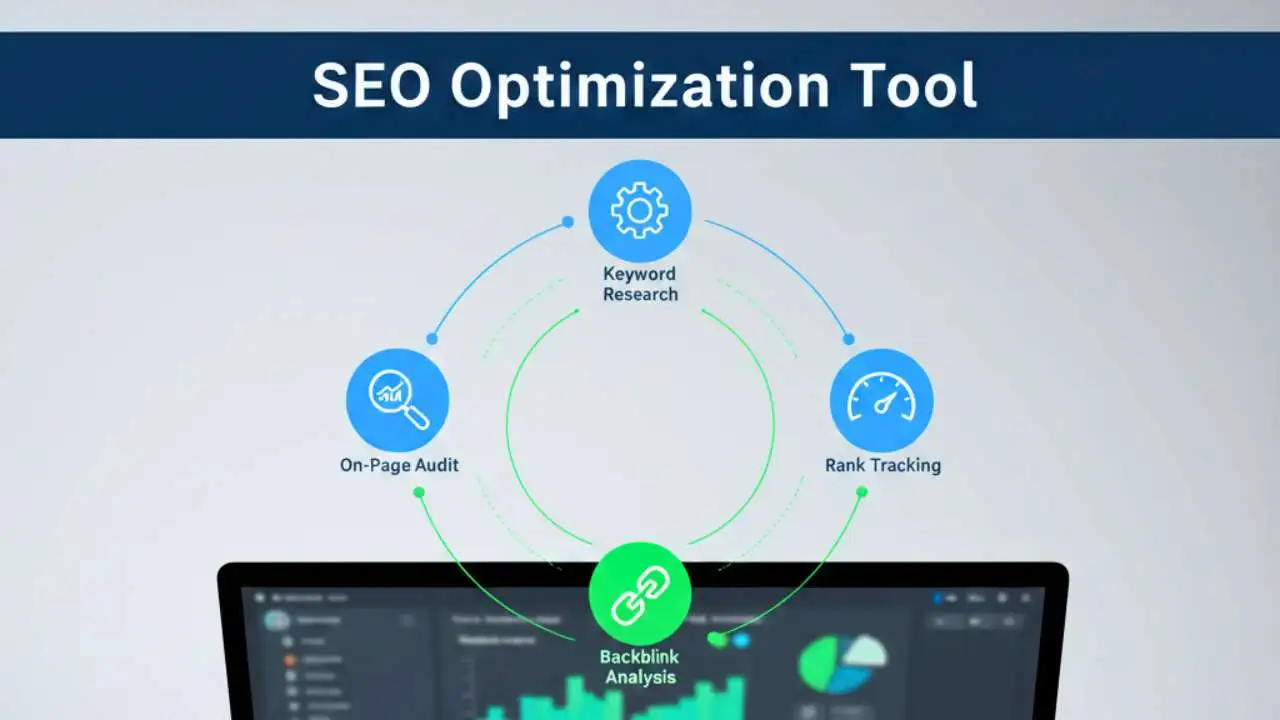
What is an SEO Optimization Tool?
An SEO optimization tool is a software or online platform that helps website owners improve their search engine rankings. These tools analyze your website’s performance, identify issues, and provide actionable suggestions to increase visibility on search engines like Google.
Whether you run a blog, eCommerce store, or business website, using the right SEO tool can significantly improve your organic traffic.
Why SEO Optimization Tools Are Important
Search engine optimization is not just about adding keywords. It includes:
- Keyword research
- On-page optimization
- Technical SEO improvements
- Backlink analysis
- Competitor research
- Site speed monitoring
- Content optimization
An SEO optimization tool helps you manage all these factors efficiently instead of doing everything manually.
Key Features of a Good SEO Optimization Tool
1. Keyword Research
Keyword research is the foundation of every successful SEO strategy. It is the process of finding the words and phrases that people type into search engines like Google when looking for information, products, or services.
If you don’t target the right keywords, your content may never reach the right audience — no matter how well it is written.
An SEO optimization tool helps you discover:
- High search volume keywords (more traffic potential)
- Low competition keywords (easier to rank)
- Long tail keywords (more specific and targeted)
- Trending search queries
- Related keyword suggestions
For example, instead of targeting a broad keyword like SEO, a tool might suggest a more specific keyword like best SEO optimization tool for beginners. Specific keywords usually have lower competition and higher conversion rates.
Keyword research also helps you understand search intent. This means knowing whether users want:
- Information (informational intent)
- To buy something (transactional intent)
- To compare options (commercial intent)
By targeting keywords based on search intent, you create content that matches what users are actually looking for. This increases your chances of ranking higher and getting quality traffic.
In simple terms, keyword research ensures that you create content people are actively searching for instead of guessing topics randomly.
2. On Page SEO Analysis
On page SEO analysis is the process of evaluating and optimizing individual web pages to improve their search engine rankings and user experience. Unlike off page SEO (which focuses on backlinks), on page SEO deals with everything directly inside your website.
An SEO optimization tool carefully scans your webpage and checks whether important ranking elements are properly optimized or not.
Key Elements Checked in On Page SEO Analysis:
1. Title Tag Optimization
The tool checks if your main keyword is included in the title tag and whether the title is properly structured and within the recommended character limit.
2. Meta Description
It analyzes whether your meta description is compelling, keyword-optimized, and under 160 characters.
3. Headings Structure (H1, H2, H3)
Proper heading structure helps search engines understand your content. The tool ensures:
- Only one H1 tag is used
- Keywords are included naturally
- Subheadings are well organized
4. Keyword Usage & Density
It checks whether your target keyword appears naturally in the content without keyword stuffing.
5. Internal Linking
Internal links help distribute authority and improve crawlability. The tool identifies missing or broken internal links.
6. Image Optimization
It checks for:
- Missing alt text
- Large image sizes
- Unoptimized file names
7. Content Quality & Readability
Some advanced tools analyze content length, sentence structure, and readability score to ensure it matches user intent.
Why On Page SEO Analysis Matters
Even if you choose the right keywords, poor on-page optimization can prevent your page from ranking. On-page SEO ensures that your content is structured, optimized, and easy for both users and search engines to understand.
In simple words, on-page SEO analysis helps you fine-tune your content so that it has the best possible chance to rank higher in search results and attract more organic traffic.
3. Technical SEO Audit
Technical SEO audit is the process of analyzing the technical aspects of a website to ensure that search engines can properly crawl, index, and understand its content. Even if your content is high quality and keyword optimized, technical issues can prevent your website from ranking.
An SEO optimization tool performs a complete technical scan of your website and identifies hidden issues that may be affecting your search performance.
Key Areas Covered in a Technical SEO Audit
1. Website Crawlability
Search engines use bots to crawl websites. The audit checks:
- Whether search engine bots can access your pages
- If important pages are blocked in robots.txt
- Crawl errors in Google Search Console
2. Indexing Issues
It identifies:
- Pages marked as “noindex”
- Duplicate pages
- Canonical tag problems
- Pages not appearing in search results
3. Website Speed & Performance
Page speed is a ranking factor. The tool analyzes:
- Slow loading pages
- Large image files
- Uncompressed CSS/JS files
- Server response time
Faster websites improve both rankings and user experience.
4. Mobile-Friendliness
Since Google uses mobile-first indexing, the audit checks:
- Responsive design
- Mobile usability errors
- Text size and clickable elements
5. Broken Links & Redirect Issues
The tool detects:
- 404 errors
- Broken internal and external links
- Incorrect redirects (301/302 issues)
Broken links harm both user experience and SEO.
6. XML Sitemap & Structured Data
A technical audit ensures:
- Proper XML sitemap setup
- Schema markup implementation
- Clean URL structure
Why Technical SEO Audit is Important
Technical SEO acts as the foundation of your website. If the foundation is weak, even the best content and backlinks won’t help you rank properly.
In simple terms, a technical SEO audit ensures that your website is healthy, fast, accessible, and fully optimized for search engines to crawl and rank effectively.
4. Backlink Analysis
Backlink analysis is the process of examining all the links pointing to your website from other websites. Backlinks, also called inbound links, are one of the most important ranking factors in SEO. Search engines like Google consider backlinks as votes of confidence the more high quality backlinks you have, the more trustworthy your site appears.
An SEO optimization tool helps you monitor, analyze, and improve your backlink profile so that your website ranks higher in search results.
Key Aspects of Backlink Analysis
1. Quality of Backlinks
Not all backlinks are equal. The tool checks:
- Domain authority of linking websites
- Relevance of the linking website to your niche
- Spammy or low quality links that could harm your SEO
2. Number of Backlinks
It tracks how many websites link to yours and identifies growth trends. More authoritative backlinks usually improve your ranking potential.
3. Anchor Text Distribution
Anchor text is the clickable text of a link. Proper distribution ensures that keywords are used naturally and not over optimized, which could lead to penalties.
4. Toxic or Spam Links
The tool identifies harmful backlinks from spammy websites. Removing or disavowing these links protects your website from Google penalties.
5. Competitor Backlink Analysis
You can also analyze competitors’ backlinks to discover opportunities for your own site. This helps in outreach and link-building strategies.
6. Link Type & Follow Status
The tool checks whether backlinks are:
- Do follow (pass link equity)
- No follow (do not pass link equity)
- Redirects or broken links
Why Backlink Analysis Matters
Backlinks act as endorsements for your website. A strong backlink profile can:
- Increase domain authority
- Improve organic rankings
- Drive referral traffic
- Strengthen brand credibility
Without proper backlink analysis, you might have low-quality links that harm your SEO, or miss opportunities to gain valuable high authority links.
In simple terms, backlink analysis ensures that your website gets strong, relevant, and safe links that help it rank higher and attract more traffic.
5. Competitor Analysis
Competitor analysis in SEO is the process of studying your competitors’ websites to understand what strategies are helping them rank higher in search engines. By analyzing competitors, you can identify opportunities, avoid mistakes, and develop a stronger SEO strategy for your own website.
An SEO optimization tool makes competitor analysis easier by providing data-driven insights into their keywords, backlinks, content, and overall performance.
Key Areas Covered in Competitor Analysis
1. Keyword Analysis
The tool helps you discover:
- Which keywords your competitors are ranking for
- High performing keywords they are targeting
- Gaps in your own keyword strategy
This allows you to create content that targets profitable keywords your competitors are already using.
2. Content Analysis
Analyzing competitors’ content helps you understand:
- Which topics are popular in your niche
- Content length, format, and structure
- Engagement metrics (shares, comments, etc.)
This ensures you create content that is more valuable and optimized than your competitors’ pages.
3. Backlink Analysis
Competitor backlink research identifies:
- High authority websites linking to your competitors
- Potential link building opportunities for your site
- Toxic or low quality links to avoid
By replicating successful backlink strategies, you can improve your own site’s authority.
4. Technical SEO & Site Structure
Some tools allow you to compare:
- Page speed and mobile friendliness
- Site architecture and internal linking
- Use of schema markup and structured data
This ensures your website meets or exceeds the technical standards of competitors.
5. Traffic & Performance Metrics
You can track:
- Estimated organic traffic
- Top performing pages
- Popular landing pages
This helps you prioritize which pages or topics to focus on for better results.
Why Competitor Analysis is Important
SEO is not just about optimizing your own website; it’s also about understanding what others in your niche are doing. Competitor analysis allows you to:
- Discover keyword opportunities
- Identify content gaps
- Build better backlinks
- Improve user experience
- Stay ahead in search rankings
In simple words, competitor analysis gives you a roadmap to outperform your competitors in search engines and attract more targeted traffic to your website.
Benefits of Using an SEO Optimization Tool
- Improve Google rankings
- Increase organic traffic
- Identify technical website errors
- Optimize content properly
- Save time and manual effort
- Track performance regularly
Using the right tool helps you make data-driven decisions instead of guessing what works.
How to Choose the Best SEO Optimization Tool
When selecting an SEO tool, consider:
- Accuracy of keyword data
- User friendly dashboard
- Technical audit features
- Backlink tracking capability
- Affordable pricing
- Regular updates
A complete SEO optimization tool should provide both on page and technical insights.
Final Thoughts
SEO is a long term strategy, and success depends on continuous optimization. A reliable SEO optimization tool helps you analyze, improve, and monitor your website’s performance effectively.
If you are serious about growing your website traffic and ranking higher on Google, investing in the right SEO optimization tool is a smart decision.