 Admin
Admin 02 April 2026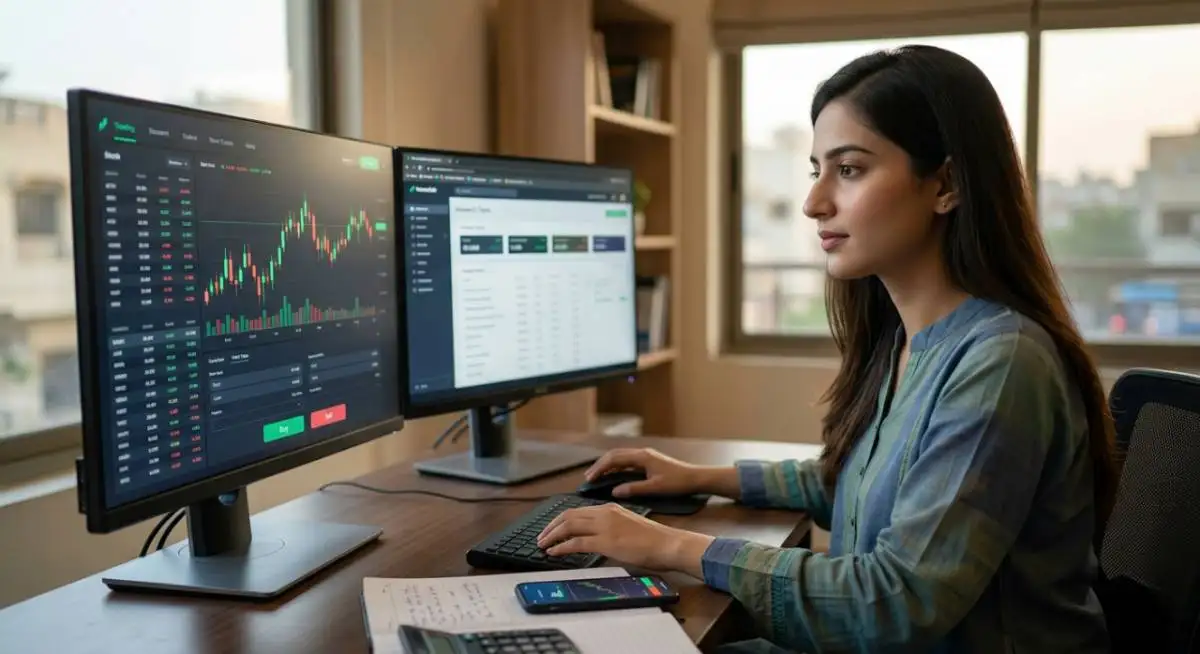
Online trading in Pakistan is becoming increasingly popular as more people look for ways to earn money through the internet. With the rise of digital platforms, it is now easier than ever for beginners to buy and sell stocks, forex, and cryptocurrencies from their homes. However, before entering the world of trading, it is important to understand how the system works, which platforms are reliable, and what risks are involved.
In this comprehensive guide, we will explain everything you need to know about starting online trading in Pakistan, including legal requirements, trading platforms, account setup, and tips for beginners.
What is Online Trading?
Online trading refers to buying and selling financial assets through internet-based trading platforms. These assets can include stocks, forex (currencies), commodities like gold and oil, and cryptocurrencies.
Instead of visiting a brokerage office physically, traders can open an account with a broker and execute trades directly through their computer or smartphone. Online trading allows investors to monitor market movements in real time and make quick decisions based on price changes.
Is Online Trading Legal in Pakistan?
Yes, online trading is legal in Pakistan, but it must be done through regulated platforms and brokers. The stock market in Pakistan is regulated by the Securities and Exchange Commission of Pakistan (SECP). The main stock exchange in the country is the Pakistan Stock Exchange (PSX).
If you want to trade Pakistani stocks, you should open an account with a PSX-registered brokerage firm. These brokers operate under SECP regulations, which helps protect investors from fraud and illegal activities.
For forex and international markets, traders usually use international brokers, but it is important to choose well-known and trusted platforms.
Types of Online Trading in Pakistan
Before starting trading, you should understand the different markets available.
1. Stock Trading
Stock trading involves buying and selling shares of companies listed on the Pakistan Stock Exchange. Investors can earn profits when stock prices increase or receive dividends from companies.
Many Pakistani companies such as banks, telecom companies, and energy firms are listed on PSX, giving traders multiple investment options.
2. Forex Trading
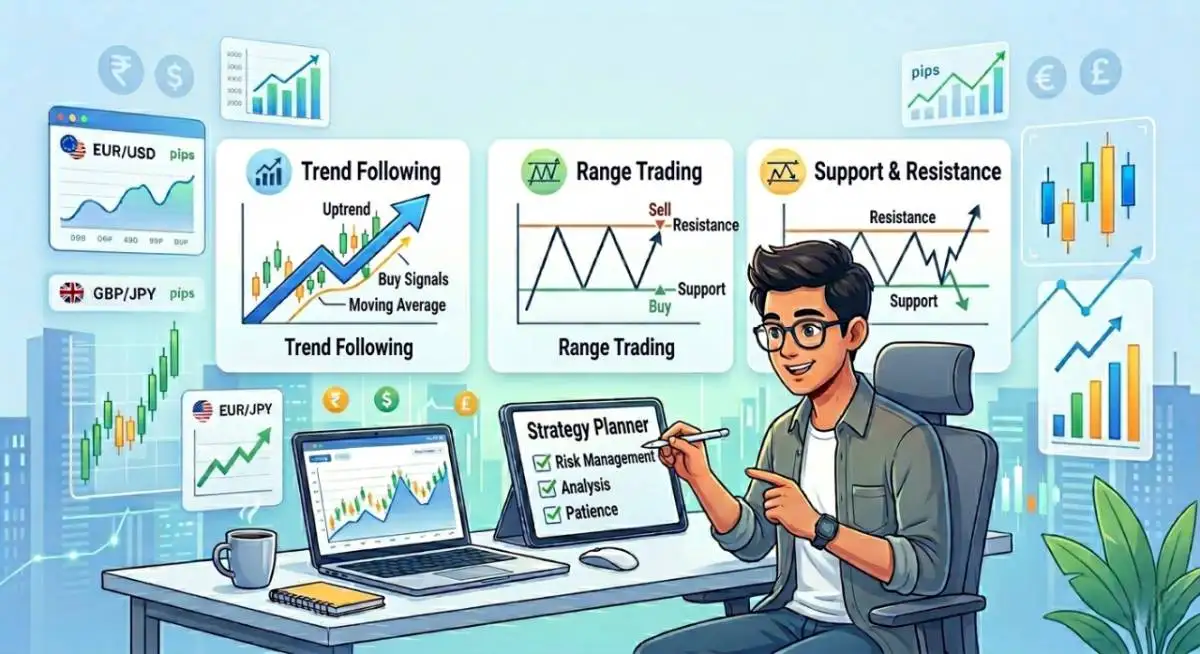
Forex trading means trading international currencies such as USD, EUR, and GBP. The forex market is the largest financial market in the world and operates 24 hours a day.
Forex trading is popular because traders can start with small investments and use leverage to control larger positions. However, it also carries higher risks compared to stock trading.
3. Cryptocurrency Trading
Cryptocurrency trading involves buying and selling digital currencies like Bitcoin and Ethereum. Although cryptocurrency is not fully regulated in Pakistan, many traders still participate through international exchanges.
Crypto markets are extremely volatile, which means prices can rise or fall quickly.
4. Commodity Trading
Commodities such as gold, oil, and silver can also be traded online. These assets are influenced by global economic trends and are often used by traders to hedge against inflation.
Requirements to Start Online Trading in Pakistan
Starting online trading is simple, but you need a few basic things.
1. Computer or Smartphone
A stable device with internet access is necessary because trading platforms operate online.
2. Bank Account
You need a bank account to deposit funds and withdraw your trading profits.
3. Valid Identification
Most brokers require identity verification using documents like:
- CNIC
- Proof of address
- Bank statement
4. Trading Account
You must open an account with a brokerage firm or trading platform to access financial markets.
How to Start Online Trading in Pakistan (Step by Step)
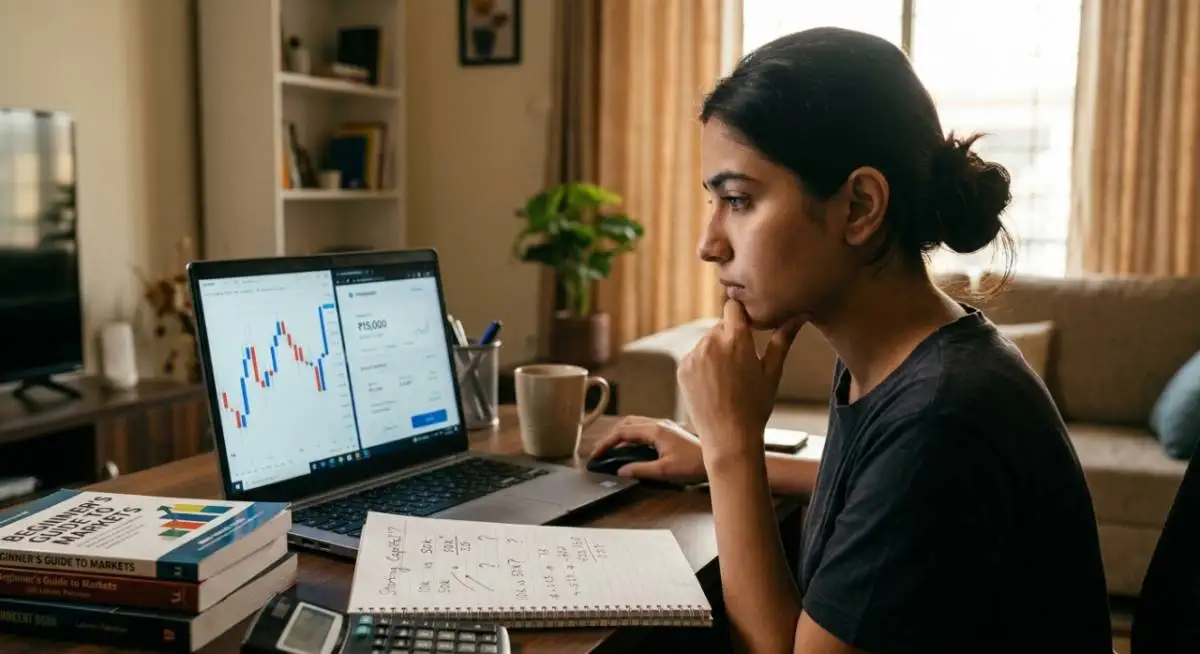
Step 1: Learn the Basics of Trading
Before investing money, it is important to understand how markets work. Learn concepts such as:
- Market trends
- Risk management
- Technical analysis
- Fundamental analysis
Many beginners lose money because they start trading without proper knowledge.
Step 2: Choose a Reliable Broker

Selecting the right broker is one of the most important steps. For Pakistani stock trading, choose brokers registered with the Pakistan Stock Exchange and regulated by the Securities and Exchange Commission of Pakistan.
When choosing a broker, consider:
- Trading fees
- Platform features
- Customer support
- Deposit and withdrawal options
Step 3: Open a Trading Account
After selecting a broker, you need to create a trading account. The process usually involves filling out an online application form and submitting identity documents.
Once your account is approved, you will receive login credentials for the trading platform.
Step 4: Deposit Funds
The next step is funding your account. Most brokers allow deposits through:
- Bank transfer
- Debit or credit card
- Online payment methods
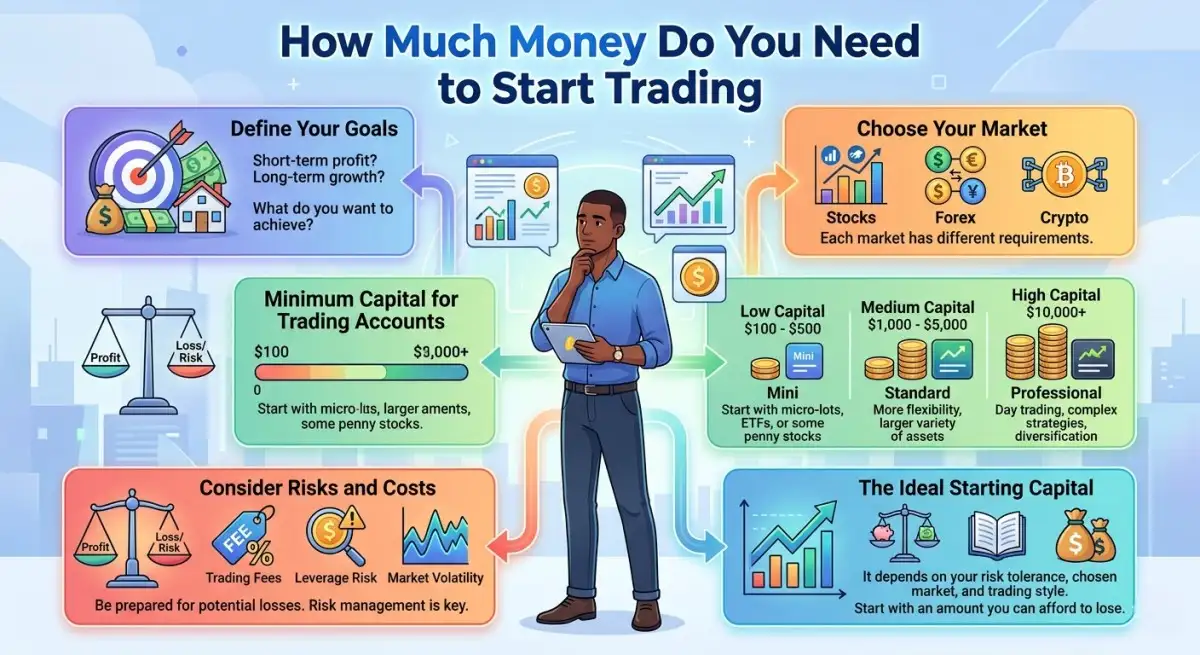
Start with a small amount if you are a beginner.
Step 5: Start Trading
After funding your account, you can start buying and selling assets through the trading platform. Beginners should focus on learning the market instead of trying to make quick profits.
Tips for Beginners in Online Trading
Start with Small Investments
Never invest large amounts of money in the beginning. Start small and increase your investment gradually as you gain experience.
Learn Risk Management
Risk management is crucial in trading. Professional traders usually risk only a small percentage of their capital on a single trade.
Avoid Emotional Trading
Many traders lose money because they make decisions based on fear or greed. Always follow a trading strategy instead of emotional reactions.
Practice with Demo Accounts
Many trading platforms offer demo accounts where you can practice trading without real money. This is an excellent way to gain experience before entering the real market.
Stay Updated with Market News

Financial markets are influenced by economic events, interest rates, and global news. Staying informed can help traders make better decisions.
Advantages of Online Trading in Pakistan
Online trading offers several benefits for investors and traders.
Accessibility: Anyone with an internet connection can participate in financial markets.
Low Investment: Many platforms allow trading with small initial deposits.
Flexible Timing: Traders can buy and sell assets anytime through online platforms.
Profit Opportunities: Traders can earn profits from rising or falling markets depending on their strategies.
Risks of Online Trading
While trading can be profitable, it also involves significant risks.
Market Volatility: Prices can change rapidly, leading to potential losses.
Lack of Experience: Beginners often lose money due to lack of knowledge.
Fraudulent Brokers: Some unregulated brokers may scam investors.
To reduce risks, always research thoroughly and use reliable platforms.
Final Thoughts
Online trading in Pakistan is a great opportunity for individuals who want to invest and grow their wealth through financial markets. With the proper knowledge, a reliable broker, and a disciplined strategy, beginners can gradually become successful traders.
However, trading is not a guaranteed way to make money. It requires patience, continuous learning, and proper risk management. If you start with the right approach and focus on long-term learning, online trading can become a valuable skill and income source.